Balcony View

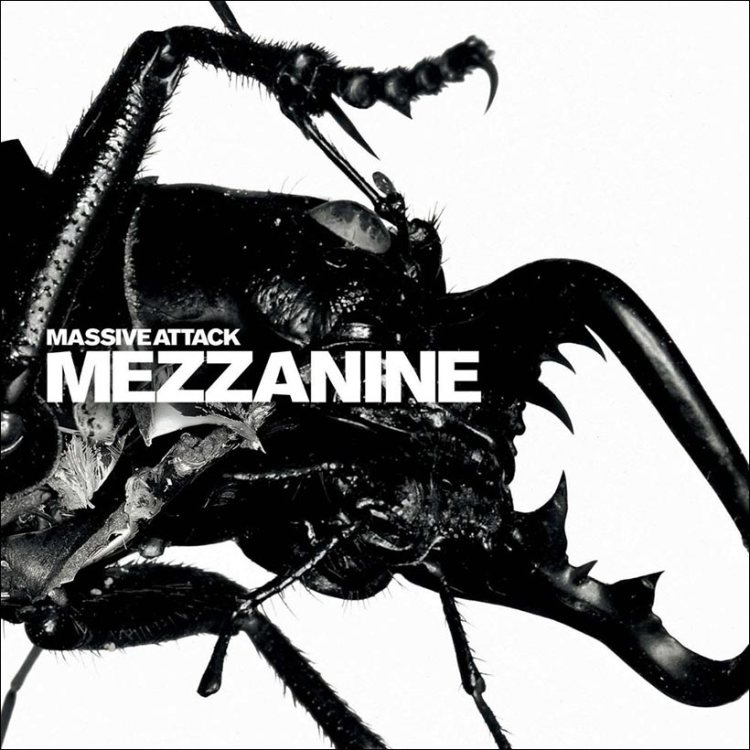
  • Artist: Massive Attack
  • Title: Mezzanine
  • Released: 1998
  • Format: 180g Vinyl Remaster/CD
  • Genre: Trip Hop/Electronica
  • Beverage of Choice: Neetlingshof Pinotage 2016

Take three of the top production minds in the UK, maybe the world, stir in some top vocal guest talent and you get Massive Attack, one of the most consistent and acclaimed trip hop acts to survive past 1999. The production trio essentially wrote and arranged all the music and then recruited singers as diverse as Shara Nelson, Horace Andy, Elizabeth Fraser, Sinead O’Connor and Damon Alban to lend a hand in making beautiful, atmospheric and, on occasion, menacing music.

Mezzanine‘ was the group’s third album and was released to near-universal acclaim hitting the number one slot on album charts in the UK, Australia and New Zealand. This kind of music has never been hugely popular in the USA but, over the years, there has been an underground organic growth in affection for MA and especially this album.

I purchased the CD shortly after it was released and immediately believed that it was a modern classic. I recently bought the vinyl remaster LP and it opens up the musical experience even more with increased dynamic range and headroom. The samples, layers and effects often employed to convey a sense of paranoia and melancholy are highly effective; evidence the opening track “Angel” with somber bass line, ghostly tabla, high hat in the upper left of the sound-stage and then drums intensify the mood with Horace Andy‘s distinctive voice almost disembodied and ethereal. Then huge distorted guitar sweeps in and dominates the head-space left and right; the song settles down into the previous groove for a chorus and then the guitars drive it forward again, intensifying the mood and eventually exiting to the original combo of bass and cymbal. Just a wonderfully constructed example of what you can create when you focus on the exact recipe with perfect timing in the cook.

Risingson” references lyrics from both Pete Seeger and Lou Reed songs and is an edgy experience with dense effects, dubby elements and a swirling, echoey feeling. “Teardop” is, to me, the standout track on the album; sung by Elizabeth Fraser (former singer for the Cocteau Twins) who also wrote the lyrics, the track reverberates with piano, what sounds like harpsichord, booming bass, scratch track and drums. Super present and alive with a satisfying emotional resonance, the track smolders and burns for its five and half minute duration.

Inertia Creeps” has a great drum sound with a taut snare and half-sung half-whispered vocals. Menacing and intense, it’s the closest you’ll get to a rock song on the album. “Exchange” is a trippy, dub tune with wonderful upright bass sounds and tasty keyboard samples to create a chillout effect after the scariness of the previous track. “Dissolved Girl” kicks off with electronic everything and then the vocals of previously unknown Sara Jay lead to a massive guitar section that drives hard and then falls back to the electronic swirl. Jay’s voice suits the vibe perfectly and the lyrics are heartfelt and yearning, in total accordance with the music. “I need a little love to ease the pain

Man Next Door” has a certain reggae feel that Horace Andy’s vocals complement and includes a sample from The Cure’s song “10.15 Saturday Night” as well as “When the Levee Breaks” by Led Zeppelin (uncredited on the album). See if you can spot it!

Black Milk” highlights another guest vocal by Elizabeth Fraser and a pattern sample from “Tribute” by Manfred Mann. Surreal lyrics, surreal vibe; another great chillout song. The title track swirls around from ear to ear on headphones with typical MA lowkey vocals weaving in and through a dense electronic sound with over-driven bass. “Group Four” is the longest track at 8’12” and possibly the most atmospheric in nature. What MA do so well is balance all the elements of a song into a cohesive whole while maintaining the individual impact of each instrument, sample, vocal and effect – this is a fantastic example of their artistry in this regard.

The album concludes with “(Exchange)“, with extensive use of samples from Isaac Hayes and Quincy Jones and Horace Andy’s sometimes strange vocal delivery with a philosophical message that bears some thought :”You see a man’s face. You will never know his thoughts”. The track and album fade out with a vinyl scratch that perfectly encapsulates the old school/new school feeling of this masterpiece. Play loud on good headphones; be prepared to be lifted out of body and mind into the chill zone.

The band was scheduled to tour this year after a long hiatus but, unfortunately, have had to postpone due to the Covid-19 situation. Hopefully they will get back to it once the coast is clear!
We’re Not in Kansas Anymore

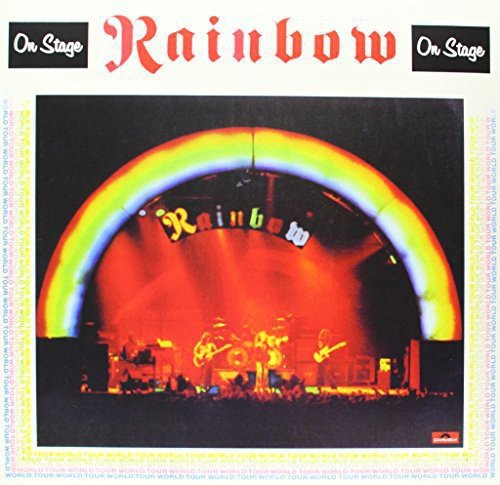
  • Artist: Rainbow
  • Title: On Stage
  • Released: 1977
  • Format: Original Vinyl/CD/Digital Download
  • Genre: Progressive Rock
  • Beverage of Choice: Brandy and ginger beer

It’s difficult for me to describe the impact of this album on my musical formation other than to say it was immense. At thirteen most of listening was confined to straight-ahead rock and heavy metal (Kiss, Sabbath etc.) and I had no idea that improvisational forms of the music could sound like Rainbow live. I’ve worn out two copies of the vinyl format through the intervening years and it’s still my ‘go-to’ version with the CD emphasizing some of the limitations of 70’s recording technology and the vinyl enlivening the experience with natural ambiance.

From their traditional opening of a snippet from The Wizard of Oz , Rainbow rocks hard on “Kill the King” (which was a song that would only be released on their next studio album ‘Long Live Rock n Roll‘). This particular lineup of an ever-changing legion of top-notch musicians, in my opinion, is the one that will be remembered as the best. Ritchie Blackmore was notoriously difficult to work for/with (and it was always understood that it was Ritchie’s band) and drummers, singers and bassists would come and go with monotonous regularity during the band’s lifetime. This crew with Cozy Powell on drums, Tony Carey on keyboards, Jimmy Bain (RIP) on bass and the inimitable Ronnie James Dio (also departed) providing his unmistakable yowl n growl were so perfectly in sync and tight/loose that it must have been an otherworldly experience to catch them live during the period they were together (circa 1975-1978).

Medley/Man on the Silver Mountain” highlights the band’s chops with an extended jam showcasing each instrument and Ronnie in fine vocal form; listening to the way they swing at the 8’30” mark brings to mind brings to mind some of Led Zeppelin’s best moments and sets the standard for the rest of the album.

Catch the Rainbow“, the longest cut at over fifteen minutes, is the track that mesmerized the thirteen year old version of myself and opened my mind/ears to what was possible within the realms of ‘heavy’ rock. Melodic and almost pastoral keyboards and vocals lead off with Ritchie adding guitar flourishes and runs along the way. Listen to the way the rhythm section creates space and enhances the flow of the music while being restrained and tight. The dynamic range plays a large part in the effect of the music and creates a progressive dimension that isn’t typical of rock or metal with soft/loud and slow/fast combinations highlighting the prowess of the band members. Of course, Blackmore’s playing takes over the lead around halfway through and drives the momentum of the song to the end. One of my top five live tracks.

On the theme of ‘live’ recordings, it’s always been challenging for artists and engineers to fully capture the live experience. With so many variables at play both internal and external, the impact of attending a concert is highly subjective. I’ve been to shows of big name artists with high expectations and come away disappointed. In contrast I’ve spontaneously gone to see an artist I’ve never heard of and been blown away. So herewith, a short list of other great live albums (in no specific order): “Live and Dangerous” – Thin Lizzy; “Live from Mars” – Ben Harper and the Innocent Criminals; “The Alice Cooper Show” – Alice Cooper; “Stop Making Sense” – Talking Heads; “Strangers in the Night” – UFO).

Mistreated” is dominated by Blackmore’s amazing dexterity and fluidity on guitar. The rest of the band does get to play a part though after a couple of minutes and they swing like mad. Tony Carey is simply wonderful on his massive electronics rig and is more than a match for Ritchie’s over-driven Telecaster theatrics; Cozy Powell dictates the tempo and his fills are an example of how to support the sound without taking it over for any aspiring jazz/rock/metal drummer.

Sixteenth Century Greensleeves” is an early indicator of Blackmore’s obsession with renaissance folk music and is an intricate and beautiful example of mixing different forms of music together to come up with something new. Dio’s vocals are typically powerful and melodic; really the man couldn’t sing out of tune if he tried and the world is a poorer place without Ronnie. Again the bass and drum foundation on the track is top echelon, tightening the overall effect without constraining the band.

The final track,”Still I’m Sad“, is a cover of a Yardbirds’ tune but so expanded that it sounds like an original Rainbow/Deep Purple creation. The band is as tight as a wound up spring and lets the energy loose in various sections of eleven minutes of showmanship, highlighting each instrument in turn. A fitting end to an amazing hour of music; I never got to see Rainbow (or Ronnie James Dio) live but this album is my solace and, whenever I play it, I am transported again to the delight of discovery that has stood the test of time for over forty years.

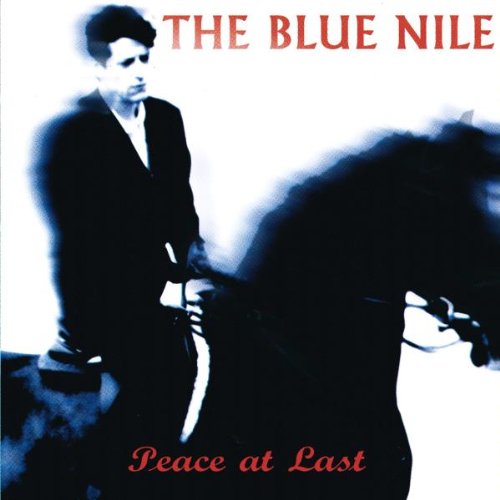
The Happy One

  • Artist: The Blue Nile
  • Title: Peace at Last
  • Released: 1996
  • Format: CD
  • Genre: Alternative Pop
  • Beverage of Choice: The Macallan 18

When The Blue Nile finally released ‘Peace at Last‘, after seven years of almost complete radio-silence, the subject matter, tone and instrumentation of the album were a huge surprise to me and, I gather, the majority of their fans. Always enigmatic, the band had spent the years between the release of ‘Hats‘ and Peace at Last doing almost everything but writing and recording; they did gain a reputation for perfectionism and an idiosyncratic approach to the music industry and the production process in general. How much of the reputation was deserved or simply a marketing ploy will most likely remain a mystery as the band, having being (unofficially) split up since 2005, are notoriously ‘shy’ when it comes to interviews and media.

Where the previous two offerings had a generally pessimistic view of the world, with stark arrangements driven by synthesizer and electronic drums, this album is, by comparison, warm and lush with a more positive and contented vibe. By arranging the music with acoustic guitar and piano leading the mix and synth/electronic strings in the background, the music sounds intimate and enveloping as opposed to distant and cold.

The lead-off track, “Happiness“, is my one of my favorite pop songs of all time with a gorgeous vocal performance from Paul Buchanan and a gospel choir backing on the chorus. The tune is simple and direct with lyrics that point towards a domesticated bliss, possibly the result of a maturing experience in the years between recordings. Buchanan wrote all the songs bar one (“God Bless You Kid”, which was co-written by Robert Bell) and his creative attention to detail, nuance and the emotive power of tone and space in the music drives the album with a cohesion and style that are uniquely his own.

Tomorrow Morning” is pushed along again by Buchanan’s guitar but listen carefully to the piano fills, hand-claps and string backing that turn a deceptively straightforward little song into a beautiful example of doing more with less.

Sentimental Man” has a wide-open feel to the arrangement with syncopated drums/guitar/bass creating a framework for sweeping synth strings and a passionate vocal delivery. Electric guitar towards the back end of the song adds color and tension, saving the tune from being overly syrupy with a funkier feeling.

Love Came Down” features, once again, strummed acoustic guitar as the leading instrument with structural elements provided by bass, drums and keys; Buchanan has an effortless vocal range and shows it off to good effect with transitions to a breathy falsetto at times.

Body and Soul” offers the most uplifting lyrics and a glimpse into the songwriter’s emotional plane; sweet and soaring strings (real this time) create a glorious picture of connectedness and love-struck ambiance.

“On Sundays we will go walking
And God willing
We’re breathing the same sky
Please believe me
The past is nothing
God is willing
I’ll love you ’til I die”

Holy Love” is a standout song on the album with a very different feel; more jazz than pop and an example of Buchanan’s vocal prowess in the upper register. Synth choir in the backing and electric guitar increase the interest but the song is just too short!

Family Life” returns to more familiar ground for the Blue Nile, in effect more melancholy than the rest of the album but still lushly scored with piano and strings so that the warm and intimate vibe is preserved. In my opinion you can hear some of Peter Gabriel‘s influence on Buchanan in the song structure and vocals; Gabriel was/is a key figure in The Blue Nile’s success and championed the group throughout their career.

God Bless You Kid” is the most like the rest of Blue Nile’s catalog being less guitar-driven and more focused on electronic instrumentation. Thematically, the song also provides less of an internal snapshot of emotion and is more abstract and distant.

The final tune, “Soon“, leads off with organ setting on the synthesizer and then horns punctuate the lush vocals; typically Blue Nile but also warm and optimistic leaving us with a cosy feeling that all is well in the world and love is all we need.

With only four albums in their catalog, The Blue Nile can’t really be said to have changed the world but they certainly provide a huge amount of artistic expression, musical perfection and emotional resonance in a small package. I’ll be spinning this disc for all the years to come and I hope you too fall under it’s spell after a few listens.

Worth the Wait

  • Artist: Tool
  • Title: Fear Inoculum
  • Released: 2019
  • Format: Digital Download
  • Genre: Alternative Metal
  • Beverage of Choice: Irish Breakfast Tea

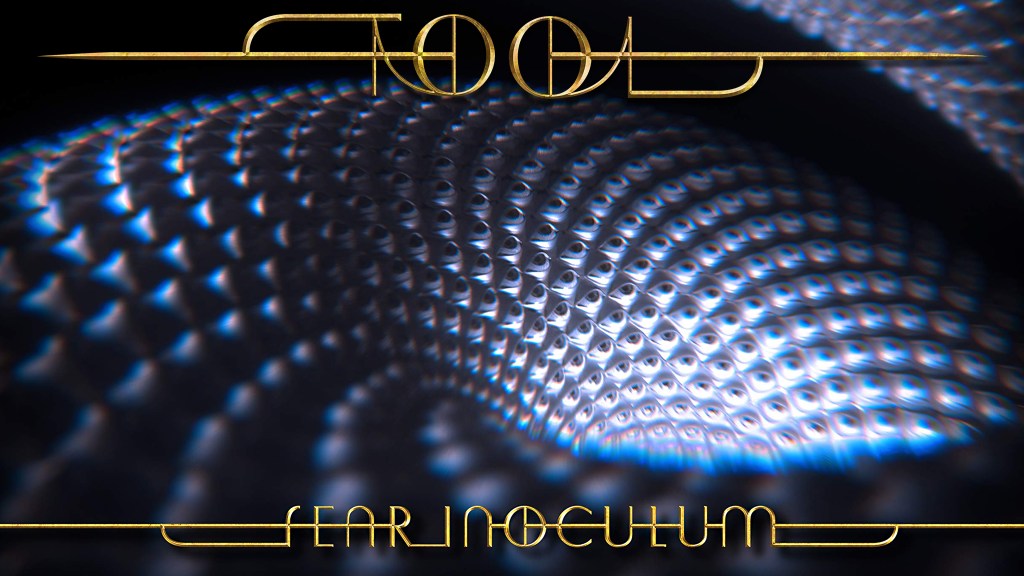
This is one of those times when I am going to break my own rules simply because this album will become a ‘classic’; in my opinion, the highlight of Tool‘s storied career and catalog. I’ve refrained from reading the music press reviews on this album but my suspicion is that most music critics who aren’t totally lame-brained will have rated this effort 4/5 or 5/5. With the length of time it takes the band to record and release albums it’s possible the band will age out and never produce a work so purely focused and executed ever again.

Tool’s trajectory from hard rock/metal radio-friendly offerings to prog-rock nerds is well-documented and I love all their music but they have been mining the negative vein (at least lyrically) for a long time now. There is something of a sea change on this album with lyrics and themes that, although typically obscure, are less neurotic and depressing and even, I daresay, hopeful. Their music in the past has hinted at what they could become with interludes of great beauty and complexity, always with a hard edge that keeps the tension to the forefront.

Fear Inoculum, in my view, combines all of the collective gifting, experience and emotional intelligence from the band and delivers it in a breathtaking set of 7 ‘real’ songs and 4 interludes. The album is constructed somewhat like a symphony with various parts and movements making up the whole around a central theme. It is long at 86 minutes but there is no fat, lethargy or navel-gazing to detract from the listening experience or turn engagement into boredom. I’ve listened to the entire album a couple dozen times now and have come away from each session energized, delighted and amazed afresh at the incredible sheer talent of the musicians and how uplifting, expansive and mesmerizing the songs are.

I’m not going to expand on exhaustive track-by-track listening notes, instead I want to try and give you an idea of the range of emotions and impressions that the music extracts from me. From the very first bar of the title track, the music creates tension and expectation with a slow build of momentum and expanding thematic elements. Precision and clarity have always been important to Tool and this album goes to the next level in terms of a focused, transparent and open production. The tracks build layer upon layer of complexity and dynamic range creating loops of evolving time signatures and nuanced shadings of light and dark, soft and loud, tight and loose all at the same time.

At times the music lulls one into a comfortable groove and then explodes into a huge driving riff with Danny Carey’s drums setting the pace and drama; his drumming is next-level and Carey seems to never play a bar the same way. If you do listen to this album more than once, take the opportunity to focus only on the drumming throughout and I guarantee you will come away totally amazed and stupefied. I doubt there is another drummer in any genre that can hang with Danny Carey. If he ever was forced to play a straightforward time signature he’d probably invent some way to fold it into a pretzel shape and play it that way.

This is music for musicians, sure, but it’s also accessible to anyone who simply likes to experience well-written, well-structured and well-executed art. And art it is; this is not throw-away generic pap but music to be embraced, memorized, experienced and loved for a lifetime. Listen to this album in one sitting if you get a chance and, if I’m overstating my case, let me know in the comments section!

Dark and Stormy

  • Artist: PJ Harvey
  • Title: To Bring You My Love
  • Released: 1995
  • Format: CD and Digital Download
  • Genre: Post Punk/Alternative Rock
  • Beverage of Choice: Renieri Invetro 2015

Polly Jean Harvey has proven to be somewhat of a musical chameleon over the 25+ years of her stellar career. Her first two albums were in the ‘angry girl’ genre with post-punk sensibilities and a low-fi attitude. To Bring You My Love, although not a complete departure from her style and vision, brings more of a blues aesthetic not in a purely traditional sense but in the approach to song structure, lyrical content and delivery.

Recorded with now long-serving collaborators Flood and John Parish to great acclaim, the album established PJ Harvey as a brand name in England and boosted her reputation as a songwriter, musician and vocalist to be reckoned with. I purchased the CD within a few days of release having been impressed by the strength of her debut and sophomore offerings. The joy to discover that Harvey had turned to the blues for inspiration was boundless and this recording has been a constant ‘go-to’ album when I feel the need for a certain sound (clear, detailed and open; the production is simply top-level).

Lyrically, Harvey turned to religious imagery, love-loss and influences from Captain Beefheart and other psychedelic roots. The strength of the songwriting lies in the simplicity of the major elements while layering in complexity through effects (distortion/overdrive, echo) and a variety of instrumentation (organ, vibraphone, acoustic guitar, synth, strings and chimes). The overall result is one of dense yet detailed rock music with a unique and identifiable tone – nobody else really sounds like PJ Harvey.

The title track is the opener and it sets the scene perfectly with driving Hammond organ, over-driven guitar and ragged vocal delivery filled with desire and longing. The deliberate pace builds tension and menace; the rest of the album simply follows suit and the quality, drama and sheer involvement never lags for the next 45 minutes or so.

Meet Za Monster” is a grinder, a literal example of Gene Simmon’s ‘monster stomp’ vibe and atmosphere. The sound-stage is deliberate and precise with first guitar off to top right , vocals centered and what sounds like a knife being sharpened top center. The second guitar jumps in on left channel with a fat distorted groove while drums and cymbals are mercilessly pounded into submission. Everything gels towards the end of the track and the band fills in every available space to an abrupt end and beginning of the next track “Working for the Man” which proves to be even more menacing with half-spoken vocals, huge rolling bass and sharp clean drum sound, Beck-like guitars and various keyboard elements creating a spooky atmosphere.

To this point on the album Harvey hasn’t yet let loose her incredibly powerful range but she does so on “C’mon Billy” accompanied by lovely acoustic chords and keyboard backing. Short but oh so sweet!

Teclo” is probably my favorite track as it’s atmospheric, moody and complex with Harvey showing off the amazing strength of her singing in expression and range. This song has one of the most beautiful choruses on the album – ‘let me ride on his grace for a while’ – that gives the song a unique lift from despair to joy.

Every song on this offering is couched in high drama, artistic expression and a focused vision; Harvey is undeniably a force of nature. Listen to “Send His Love to Me” for a masterclass in structure, rhythm, tonality and passion; Polly Jean drives her voice hard in a plea for love at all costs. Similarly on “The Dancer” she explores range and power in her vocals that must actually be painful to produce from a human throat – amazing. So the album ends as it started with intensity, drive and an uncompromising artistic vision.

This is possibly Harvey’s most approachable album but I encourage you to explore the rest of her catalog as she is simply one of the most unique and talented musicians to arrive on the scene in the past couple of decades. Let me know in the comments if you listened to the whole album, preferably on quality headphones!

Take a Gamble

  • Artist: The Crystal Method
  • Title: Vegas
  • Released: 1997
  • Format: CD
  • Genre: Electronica/Rave/Techno
  • Beverage of Choice: Firestone Mind Haze IPA

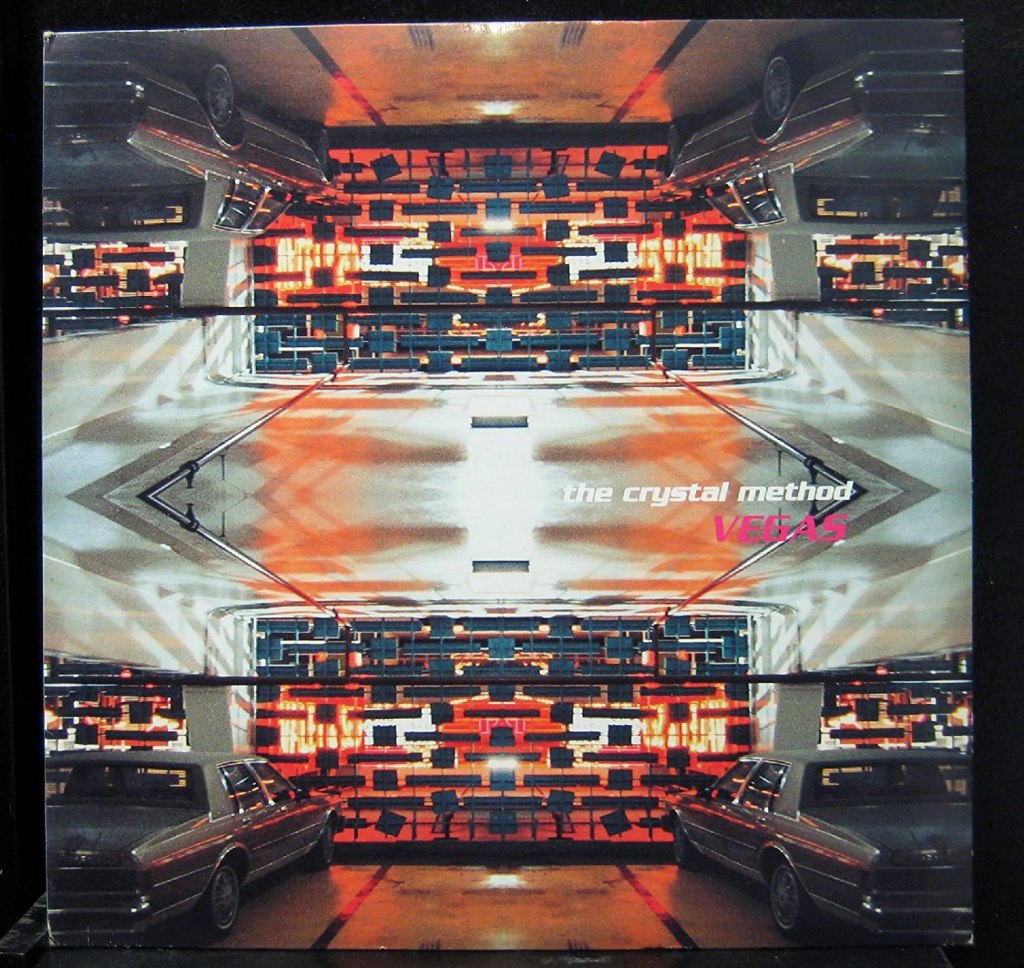
I was first made aware of The Crystal Method through engaging in an unusual (for me) activity… skydiving. In 1998 I attended a trade conference in Orlando and my much younger colleague suggested we try out a tandem skydive while we were there. The weather was perfect and, in a moment of uncharacteristic impulsiveness, I agreed, as long as he called my wife to let her know of my demise.

Needless to say, I survived the experience, even somewhat enjoyed it after the initial terror dissipated (never did it again BTW). Well, the long story made short is that my friend had the jump videotaped (this being long before smartphones and Instagram) and the soundtrack the studio edited onto the tape was snippets from “Vegas“. Electronica not really being my cup of tea, with metal and rock being preferred at that time, I was surprised at how much I enjoyed the music and bought the CD which is the debut studio album the duo produced. It has come to be one of my favorite albums over the years and I find my self listening to it in the car, at the gym, on runs and on the home stereo at odd occasions.

The music is not easy to define in certain terms, being a mash-up of various styles and genres including early trip-hop, rock, rave and psychedelic crossover. The end result is an accessible entry point to a sub-culture that can get extremely dense and impenetrable (unless I’m simply missing the point somewhere). Big beats aplenty but also a consistent attempt at engaging the listener into a musical landscape more interesting than, for example, disco.

The opening track, ‘Trip Like I Do‘, jumps right in with sampled breathy vocals (legend has it from an answering machine message), layers of synth tracks and huge driving beat. If you’re not jumping around (at least metaphorically) by a couple of minutes in, be patient, and the song explodes into true (and now familiar) Crystal Method freak mode. By the end of the track, you’re either a believer or not.

Don’t look for any deep meaning in the lyrics, the occasional drug reference notwithstanding, but that’s not really the point here. It’s the push and pull of the music that’s intoxicating and dangerous leading you to deeper and deeper states of relaxation, shutting out the real world and ultimately (re)connecting mind and body. It’s better to listen to tracks like ‘Busy Child‘, ‘Cherry Twist‘ and “Comin’ Back” while moving; running, cycling, dancing are all good choices. ‘Vapor Trail‘, ‘Jaded‘, ‘Now is the Time’ and ‘Bad Stone‘ are great headphone tunes to simply chill out and listen to; the beats are big and bold but the tempo is less frenetic and provides a breathing space for the music to infiltrate your mind.

In my opinion this album has aged really well and sounds contemporary and timeless, certainly better than most of the commercial dance music pumped out today. Throw the dice and win big by giving this one a spin!

Gift (ed)

  • Artist: Rocco DeLuca and the Burden
  • Title: Mercy
  • Released:
  • Format: CD and Digital Download
  • Genre: Rock/Blues
  • Beverage of Choice: Voodoo Ranger Juicy Haze IPA

In my opinion Rocco Deluca has been woefully overlooked and underrated by the mainstream music industry, critics and audience. Whatever the reasons for this sorry state of affairs, he really deserves a much wider appreciation because his talents as songwriter, guitarist, singer and arranger are prodigious.

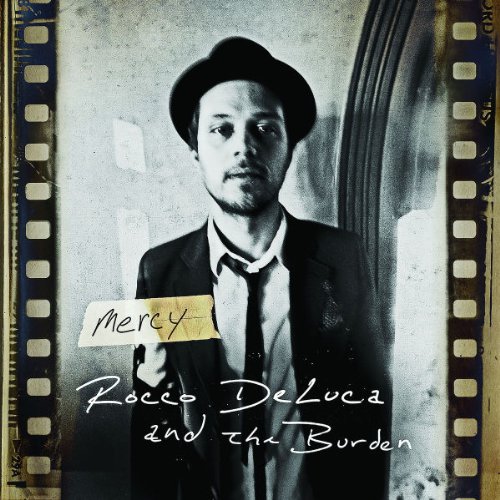
His debut album, ‘I Trust You to Kill Me‘ is well worth a spin as it introduces these talents in raw form without the benefit of a truly professional producer; the major influence that Daniel Lanois has on the sophomore effort focuses the sound around Deluca’s voice with lush arrangements and a cohesive track list. ‘Mercy‘ gives us a peek into Deluca’s soul while elevating his artistry and musicianship. A few weeks ago I published a review of Daniel Lanois’ debut solo album ‘ Acadie’ and I mentioned Lanois’ genius as a producer of other artist’s work. Here is more evidence of that unique ability to shape and focus the sonic heart of an album and extract the best from a fellow musician.

Mercy‘ begins with the title track, featuring swooning vocals and strings backed by a solid rhythm section and keyboards but noticeably absent of Deluca’s trademark dobro and slide steel sound. His voice ranges on this song (and across the set) from a low growl to a pure and unaffected falsetto, sometimes reminiscent of Jeff Buckley in its span and power.

I attended a gig in downtown Los Angeles in 2009, shortly after the release of this album, and spent the night no more than 6 ft away from Deluca and Ryan Carman (drums) in a tiny and crowded room. It became really clear to me that this was the real deal; a tortured artist, rock star and performer living out his dream; Rocco pours everything into his music – heart, soul and mind. It’s just a pity he hasn’t achieved a wider fan base; here’s hoping that this review will add to it!

I Trust You to Kill Me” is , oddly, the second track on this album but also the title of his debut album with the Burden. The song showcases Deluca’s aforementioned strength on slide and dobro (resonator guitar). On this slow blues-based burner with incredible power, the band also shows off their collective chops; Ryan Carman on drums, Greg Velasquez on percussion and keyboards, David Beste on bass. But it’s Deluca’s playing that steals the spotlight with an obvious attention to honoring his blues influences while achieving his unique sound. In turn moody, punchy and loud, he pours out his soul through the strings and ‘asks for nothing in return’.

Open Pages” is another song that superbly highlights Deluca’s vocal range and expression; listen to the way piano and synth strings provide a space for his voice to fill. Wonderfully intimate and direct, this is one of my favorites on the album. Similarly, “Nightingale” demonstrates his vocal control, individuality and precision. Accompanied by piano, acoustic guitar and more strings, his voice sweeps up and up , heightening the tension and effectiveness of the music to a beautifully breathy and emotional finale.

Save Yourself” is a rocker with a focus on slide steel in the breaks and a power bass line. The Black Keys would be proud to have this tune included on any any of their albums – and I’m a huge Black Keys fan, so it’s not a criticism!

Lilja” is an oddity, opening with spoken lines in a language I don’t recognize (maybe one of you dear readers would let me know what it is?) and then moving onto a very Lanois-like instrumental arrangement and Deluca singing in the higher end of his range. Excellent examples of slide guitar prowess along with effective percussion elements (listen to the far left and right edges on the sound-stage, especially through some good headphones for a master class in production from Lanois). I especially love the clean and distinctive banjo playing on this track.

The first couple of minutes on “Bright Lights (Losing Control)” is a soundscape, again very reminiscent of Lanois’ own work, with choir-like vocals, keyboards and echo; a short silence and then dobro, punctuated keyboards and Rocco’s unmistakable voice telling a cautionary tale with authority and power. Listen for the wonderful (if short) slide steel solo near the end of the track.

Junky Valentine” demonstrates Deluca’s vocal range, maybe the most Bucklyesque of the tracks on this album with similar themes of addiction and love. His voice is really quite beautiful and makes me feel his pain, frustration and despair as he beseeches his love to “circle yes or no“. Some Zeppelin-like strings close out the song with a loop that emulates the cycle of hope and despair in the subject matter.

The closing track is one of the more introspective and moody on the album with a theme of hurt and hope; listen for the double-tracked vocal harmonies and Lanois’ signature guitar sound for another great example of craftsmanship, vision and musical prowess.

I continue to be a Rocco Deluca fan even though he has changed direction over the intervening years, being even more closely associated with Lanois and more experimental in his output. This album, however, provides immediate rewards and yields more and more gifts on subsequent listens.

Songs of the City

  • Artist: Lou Reed (1942-2013)
  • Title: New York
  • Released: 1989
  • Format: CD
  • Genre: Rock
  • Beverage of Choice: Berliner Weisse

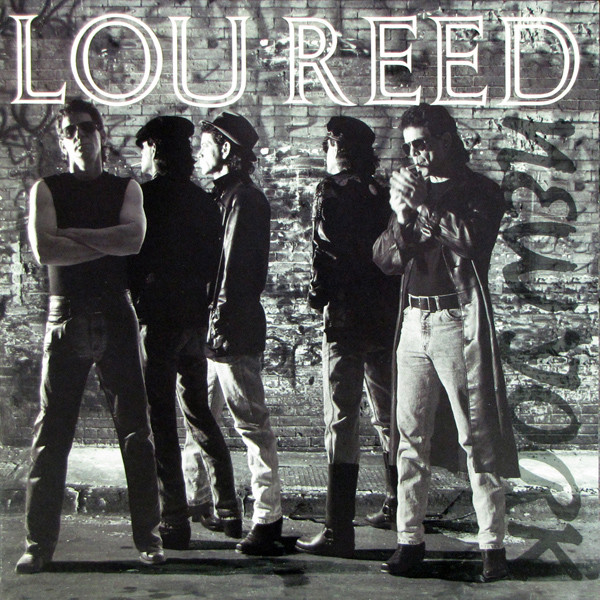
Lou Reed was one of those eccentric artists that ‘normal’ people either love or hate. In my case, I believe he was one of the most talented (and tortured) poet/musicians in American history. His career was a roller-coaster with personal lows of addiction and mental illness to highs of critical acclaim (he was a Grammy winner and was nominated for Best Rock Vocal Performance for this album). If you’re interested in learning more, an excellent biography was published in 2017 (Lou Reed: A Life) and it’s well worth checking out for an inside glimpse into the soul of someone who was 100% true to his own vision and never compromised his art and, even so, achieved fame and fortune.

Reed was so strongly associated with his beloved New York City that it’s somewhat surprising that it took him until 1989 to concentrate his talents and poetic vision on this subject. The result is, in my opinion, the most cohesive and consistent set of music that he produced during his lifetime. These are individual stories that are sharply on-point for the time and place with an unaffected and authentic world-weariness balanced by an unforced wit and elegance.

The story subjects are representative of Reed’s worldview (generally somewhat negative and caustic) but delivered with a genuine love for the people in his life. They include but are certainly nowhere near limited to, AIDS, homelessness, child abuse, poverty, politics, gangs, squalor and general NYC grittiness and grime. But somewhere in there is hope, faith and love – hard to believe, I know, but look for those moments in the music and this album will reward you richly. His lyrics, as always, are smart and approachable even as they sometimes drift towards the uncomfortably profane (some would claim blasphemous) and are effective in delivering pictures of worlds that are probably far away from our own experience of life. In the liner notes, Red encouraged the listener to hear the 57-minute album in one sitting, “as though it were a book or a movie” and I encourage you to do this to extract the best from the experience; not once but many times to catch all the nuances and inflection points in the work.

You won’t find the music itself all that challenging; straight-ahead variations on rock structures with a band of two guitars, drums and bass but listen to the way the band swings on songs like “Beginning of a Great Adventure” and works together with an exceptionally high level of talent and understanding of how the music supports the vocals. Reed’s delivery is as scathing and sometimes monotone (even un-musical on occasion) as his other work; one wouldn’t really describe what Reed does as ‘singing’, it’s mostly speaking in tune and rhythm but is very crisp and clear on this album. The two electric guitars (one on each side of the stereo image) complement each other perfectly and Reed’s playing is his strongest on any of his albums (particularly on “Beginning of a Great Adventure“, Busload of Faith” and “Strawman“), absolutely top of his game. The production is crystal clear and OCD-worthy in Reed’s placement of each instrument precisely into the sound-stage with every note coherent and painted with painstaking attention to detail into the overall picture. There is a minimum of gimmickry or production trickery, just masterly musicality with a sprinkling of rock ‘n’ roll genius.

In the current situation in 2020, listening to these songs again seems so appropriate to our times. In 1989 the AIDS epidemic had people living in fear of intimacy and, although we didn’t have to go so far as to enforce ‘self-quarantine’ or ‘social distancing’ , life did change permanently for a lot of folks around the world and many died as a result of the virus. It did seem that for many the party went on regardless (“Halloween Parade“) just as, for some today, disregarding the risk of Coronavirus infection and just carrying on as normal is seen as an affirmation of freedom and individualism.

Reed seems to be a man despairing of human nature, commenting on stupidity and waste; tired of his own hypocrisy and pain but ready to fight on and shine a light on issues that were important to him. The world is poorer for the loss of his genius and I really hope you take an hour and listen to the auditory evidence on ‘New York‘, the music is just so alive and vibrant. Play loud!

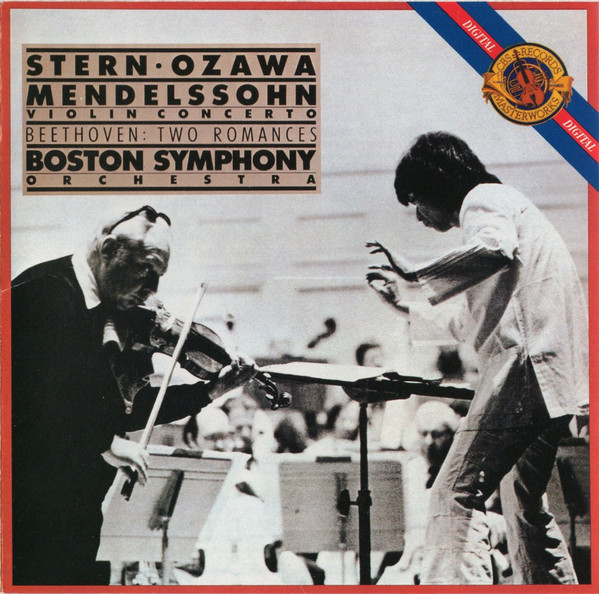
Rock Stars

  • Composer: Felix Mendelssohn (1809-1847)
  • Artist: Isaac Stern (1920-2001), Boston Symphony Orchestra conducted by Seiji Ozawa
  • Title: Violin Concerto
  • Released: 1983
  • Format: CD
  • Genre: Classical
  • Beverage of Choice: Sparkling water

Those of you reading this post who may dismiss ‘classical’ music as elitist, academic or boring please don’t miss out! It will take less than half an hour to listen to this amazing piece of music and have your mind changed forever. The sweet purity of Isaac Stern‘s virtuoso violin playing grabs the ear right from the very first phrase and begins an emotional journey that ends in total satisfaction but also the desire to hear more.

Stern is inarguably one of the greatest musicians of all time and a rock star in the world of ‘serious’ music, his rendition of this famous piece is flawless, albeit with a slightly different pacing (slower) than other recordings I’ve heard. This leads to a heightened engagement with the music as your mind has marginally more time to process what you’re hearing and relate that to feelings that are stirred up in your heart and soul.

And pure emotion this is; by turns sweet and pure, frantic and loud, emphatic and euphoric, pensive and melancholy – it’s a wonderful mix of light and shadow that invites your imagination on a journey filled with adventure, delight and reward.

The first movement begins with a sweet phrasing and a sweeping statement of intent that leads to a soaring, precise and sometimes overwhelming succession of notes that culminate in the whole orchestra getting involved with passion and gusto. At the 7 minute mark or so there is solo violin break that sounds as if it’s two instruments playing simultaneously; it isn’t , it’s simply one of the most gifted artists ever showing us what being the best looks like. This is the classical music equivalent of heavy metal guitar shredding. The violin in these hands tells us a story of love, drama, comedy, sorrow and ultimately, pure joy.

Thereafter the orchestra and violin restate the major theme leading to the end of the movement with high drama and speeding up the pace to a flourishing conclusion. Listen carefully here; there is a single french horn holding a sustained note that leads into the start of the second movement (Andante). It sets the stage for one of the most beautiful and compelling melodies in all of music. Stern’s phrasing is akin to a blues guitarist’s ‘feel’ for the song; small hesitations, punctuation and sustains in the replaying connect my heart directly to his and fill me up with emotion. This is special, not ever to be taken for granted and it moves me every time I hear it.

The music swells and dips, carrying one along like a feather on the wind, rising and falling , never quite touching the ground, dancing and spinning until, having run out of energy, glides to a quiet and contented rest.

The third and final movement returns to the central theme with violin ably supported throughout by the entire orchestra conducted by Seiji Ozawa (another rock star of the classical world), tripping along with exquisite precision and pace, hundreds of notes in a flash; the mood is merry and light with bursts of fireworks against the sky. Concentrate on the arpeggios and pizzicato (plucking the violin strings) and hear how perfectly each note is rendered yet without calling attention to the technicality; no notion of ego, just a human allowing the music to flow through his hands into the instrument and out to the world for us to enjoy (relish really).

Everything ends way to early, it all goes by in a heartbeat having stolen your mind away for a half hour and you’ll ‘wake up’ to the real world wanting to listen to it all over again. Another one of my Desert Island Discs that has been at the heart of my love for music for a long time.

Comment below if this doesn’t challenge you, make you feel more alive and expand your notion of what it is to ‘listen’ to music; so I can send you a sympathy card 🙂

North and South

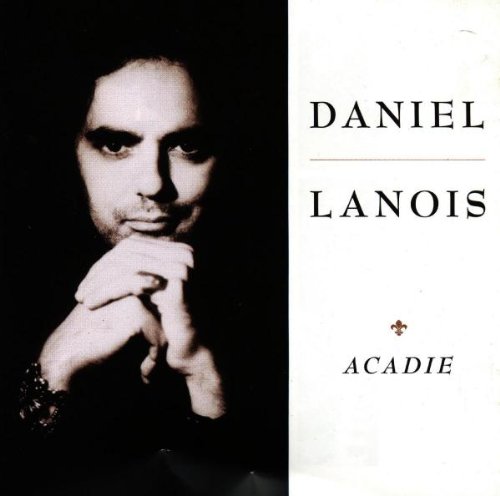
  • Artist: Daniel Lanois
  • Title: Acadie
  • Released: 1989; re-issued 2005
  • Format: CD + Digital Download (FLAC)
  • Genre: Singer-songwriter, ambient, folk, rock
  • Beverage of Choice: J.P. Wiser’s 18

I must admit that I came to this post with some anxiety about ‘getting it right’; simply put, Daniel Lanois is a genius at the soundboard and his production credentials are unassailable. With that said, he is an artist too, with excellent songwriting skills, instrumental chops (especially steel guitar and keyboards) and is a halfway decent vocalist. He has been gifted with a singular and focused musical talent and his fingerprints are unmistakable on albums such as ‘The Joshua Tree’ (U2), Robbie Robertson’s eponymous solo album, ‘Stumble into Grace’ (Emmylou Harris), ‘So’ and ‘Us’ (Peter Gabriel), ‘Time Out Of Mind’ (Bob Dylan) and ‘Mercy’ (Rocco Deluca and the Burden). Every one of these albums (and several others that Lanois either produced or played on as guest artist) are constant companions of mine, grooves worn smooth on vinyl and CDs thinned by time and play.

His collaborations with another genius, Brian Eno, effectively took U2 from a niche 80’s music audience to multi-platinum stardom with a string of critically acclaimed (as well as wildly popular) work starting with ‘The Unforgettable Fire’ through ‘The Joshua Tree’, ‘Achtung Baby’ and ‘All That You Can’t Leave Behind’. On a final biographical note, Lanois also founded a wonderful and almost obscure band Black Dub , producing one eponymous album that boosted the career of one Trixie Whitley who you should definitely check out. I saw Black Dub at the Anaheim Hard Rock (for $10) and was right up front on the rail, blissed out at Lanois’ effortless groove, humble and generous highlighting of his band members and skilled performance on keyboard.

Now, to the album under the spotlight this week, Lanois’ solo debut, “Acadie“. I purchased this CD in Cape Town in 1989 at a music chain (Musica) on the foreshore shopping area, listened to it immediately on getting home and must have played it a thousand times since then. There is something magical about the music on the record; I experience it in a different way each time, as familiar as the rhythms, lyrics and melodies are to me, hearing additional nuance, feeling a new emotion or being startled anew by the perfect mix on some of the songs. If you think I’m overselling this work, maybe I am, but listen to it a few times and see if you don’t fall under its spell!

The music is varied but lends itself overall to a mood; pensive, introspective, examining life and spirit with ambiance, depth and poetic storytelling. It’s as relaxing but mindful and focused as I imagine Lanois to be in life (having never met the man but seen a few interviews with him on TV). There are also a fair number of guests on the album with long ties to Lanois; Canadian countryman Malcolm Burn , Brian Eno, Adam Clayton and Larry Mullen, Jr. from U2 and most of the Neville brothers. You’ll encounter Lanois’ signature drum patterns, echoing jangly guitars, subtle harmonies and synth backing, along with a directness and accessibility that belies the complexity and attention to detail that went into making this album. There is a mix of English and French lyrics (sometimes in the same song) that gives the work an authenticity and originality based on Lanois’ early life in Quebec although the album was recorded and produced in New Orleans – the Cajun underpinnings on songs like “O Marie” and ” Jolie Louis” lend folk/zydeco attributes to the music.

Listen to the bass line on “The Maker” (another Lanois’ signature in pattern and phrasing) and contrast the groove with the smooth and beautiful harmonization and line trade-offs between Lanois and Aaron Neville. Lanois introduced a spiritual element to U2’s works and brings that aesthetic to this album; lyrics reference Biblical imagery and allude to dark times, guilt and salvation.

The simple but effective mix on “O Marie” is underpinned by an expert miking of the acoustic guitar so that every string rings clear with characteristic steel string ‘buzz’ clearly heard throughout the song. Just a great pleasure for any aspiring musician/producer and inspiration for young songwriters. Followed up by the accordion-accentuated “Jolie Louis“, Lanois’ Cajun roots are exposed and paid homage. The telling of the tale in French/English is satisfying in a way I can’t really explain, you’ll have to judge for yourself if I’m full of it!

Two moody, atmospheric and soundscape-rich tracks follow (“Fisherman’s Daughter” and “White Mustang II“) that deserve good headphones; the trumpet solo on “White Mustang II” was played by a street musician that Lanois heard playing under his hotel window and invited to capture the moment on-demand. Absolutely beautiful and uplifting.

Another Cajun (and very dance-able) tune, “Under a Stormy Sky“, momentarily breaks the mood but not for long as the next five tracks continue to lay down an immersive and rich ambiance. “Where the Hawkwind Kills” will sound familiar to U2 aficionados with every sound and note arranged to form a sonic picture. “Silium’s Hill” is gentle and romantic poetry set to simple guitar melody and intimate vocal. “Ice” is aptly named as the synthesizer and distant voice make for a ‘colder’ sound than the rest of the album which is ‘warm’ and close. By the time you hear the penultimate song, “St. Anns’ Gold“, you’re going to recognize the signature sound and patterns of Lanois’ music. You’ll also now ‘feel’ his amazing skill at mixing with a perfect stereoscopic sound-stage – wide, luxurious and dense without sounding cluttered. It’s so difficult to pull this off and even more difficult for me to explain, you’ll have to hear it.

The final track is an eccentric but effective rendering of “Amazing Grace” with Aaron Neville’s amazing vocal arpeggios set against a sparse and somewhat jagged instrumentation. The track starts to heat up with jangly guitars and rising drum pattern after a couple of minutes and Neville’s voice floats closer and closer to the listener, evoking a sense of conclusion and euphoria. It’s a fitting end to a fine example of the creative and expert use of sound and technology to induce an emotional response in the audience. One of my ‘Desert Island Discs‘, maybe it’ll become one of yours.