A Matter of Grace

  • Artist: The Smashing Pumpkins
  • Title: Adore
  • Released: 1998
  • Format: CD
  • Genre: Alternative Rock
  • Beverage of Choice: Levo 2018 Under the Gun Grenache

Through all the line-up changes, off-stage drama and on-again/off-again personalities that make up The Smashing Pumpkins, it’s truly amazing that their music has always been so tightly connected to the original energy and creativity that marked their first three studio albums. Substitute keyboards and ambient backgrounds for the trademark layered/distorted guitar arrangements on those offerings and you can trace the DNA for the mostly low-key, mid-paced but immersive songs that make up Adore directly to tracks like “Rhinoceros” (Gish), “Luna” (Siamese Dream) and “By Starlight” (Mellon Collie and the Infinite Sadness). This release possibly confused and divided their fan base somewhat with it’s lack of sonic explosions and the return to drum machine (as well as some notable guest percussionists such as Matt Walker from Soundgarden) after drummer Jimmy Chamberlain’s dismissal.

I had been a huge fan of the Pumpkin’s Mellon Collie project and managed to get a ticket to the sold out show for the Adore supporting tour at Universal Amphitheatre in July ’98. Even with the lack of a permanent drummer, the group was amazing; tight, focused, emotional and loud. I remember the entire audience singing every word to the opener “To Sheila” and the huge roar that accompanied the words “Highway warm sings silent poetry”. The rest of the night was sheer magic and was the end of the era with bassist  D’arcy Wretzky leaving the band after a short reunion tour with Chamberlain the following year.

With the somewhat sombre and subdued tone of this album, the band also changed their public persona with a darker look; all of this following the stress that Chamberlain’s drug issues had placed on the band, Billy Corgan’s mother dying and his divorce. I think it’s fair to say that Corgan probably felt that the band couldn’t survive the turmoil and that Adore might be a last chance to release a body of work that would showcase the breadth of his artistry; and it certainly does. The songs are arranged and produced with remarkable clarity, depth and poetic resonance. The album did not initially sell all that well but has grown in reputation (and sales) to become a multi-platinum disc in the USA and many other countries.

To Sheila” is a simply beautiful and intimate poem with Corgan’s typically somewhat obscure lyrics highlighted in a close-up performance accented with cricket ambience, pedal steel, banjo and acoustic guitar. The warm sound envelops the ears and emotions, seductively drawing one into it’s hooks, harmonies and counterpoints. It’s the sonic equivalent of a deep pool of water reflecting a starlit sky; mysterious, quiet and affecting.

The only ‘big’ song on Adore is the eponymously titled “Ava Adore” with a driving bass line and suitable Pumpkins’ layered guitars with a strange love-themed lyrical intensity. Corgan unleashes his vocal power as does James Iha his electric guitar prowess; the rhythm drives the song forward as if thrusting us forward to the heart of the album. Over the course of the next thirteen songs (yes, this is a long album clocking in at 73 minutes and change), Corgan shows us that he can write… and write… and write. The range of styles, moods, production, mixes and lyrical themes is impressive even if we know he is somewhat going all out to impress. When he uses keyboard and drum sequencing there is a Depeche Mode/OMD/Cure influence heard (“Pug“) but the diverse rock and pop sources Corgan has always drawn upon serve him well and some of these songs would not be out of place on a Beatles album, they are that next-level great – evidence “For Martha“.

Adore offers many such sublime moments along its course and, with the definable ebb and flow that makes up a Pumpkin’s release (a glorious mix of Corgan’s vocal delivery, verse structure, instrumentation and arrangement), rings true even to a fan that regards “Zero” as the ultimate Smashing Pumpkins tune. It’s a reworking and reimagining of the core energy of the band with more intimacy and artistic expansiveness than the previous albums. Even if The Smashing Pumpkins had folded their tent and ridden off on the night mare (and I am so glad they didn’t), Adore would stand as a testament to a vision executed with artistry, love, talent and the relentless pursuit of perfection.
Definitely No Logic

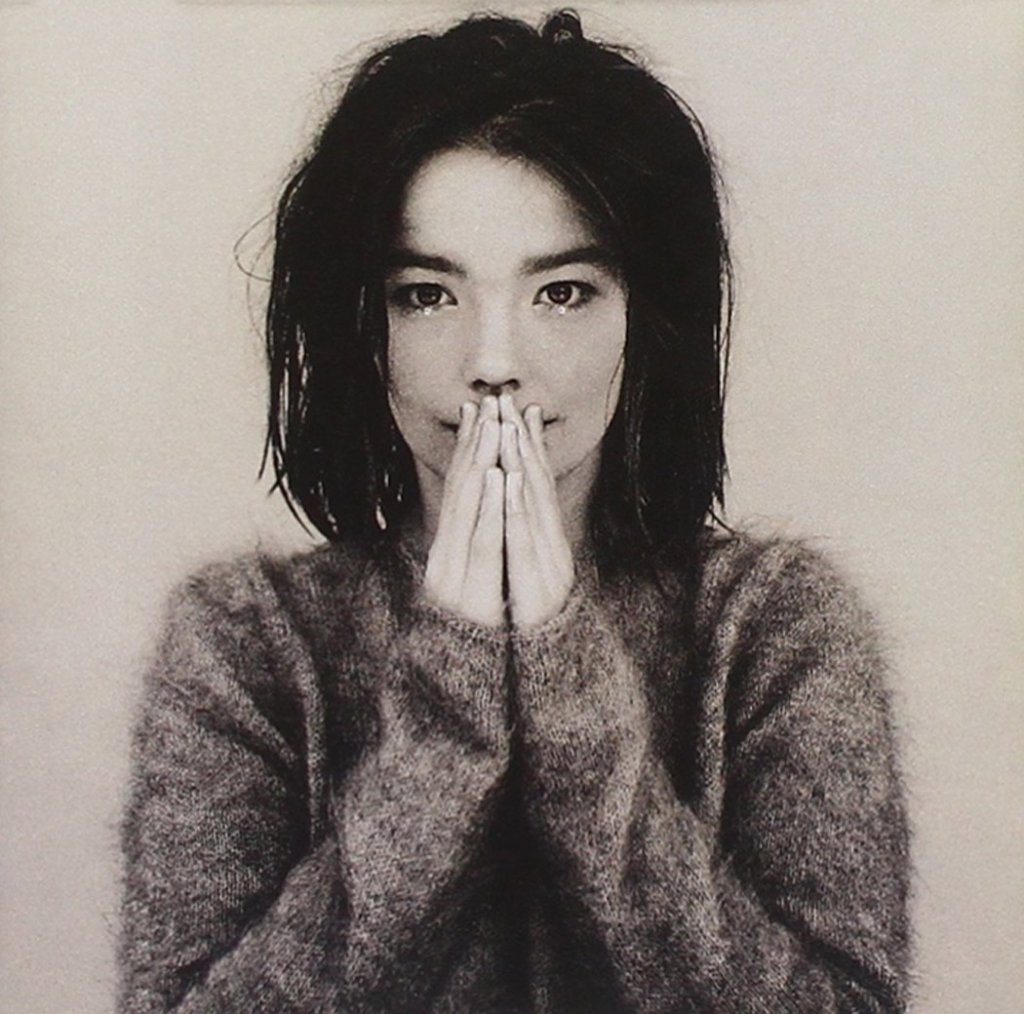
  • Artist: Björk
  • Title: Debut
  • Released: 1993
  • Format: CD and FLAC
  • Genre: Pop/Alternative Dance/Trip-Hop
  • Beverage of Choice: Spindrift Grapefruit

I’m guessing that your current assumptions and attitudes towards Björk are binary – you probably either love her or hate her. I haven’t spoken to many music lovers that say “Yeah, she’s good”; they are either passionately for her eccentricities or can’t stand them. I’m in the former camp. This is the first album I bought with her name on it as I had enjoyed some of the guitar-driven music from the Sugarcubes and expected that she would extend their range with some different producers on the album. Turns out that she totally reinvented and overturned their sound to a modern, danceable musical form that also rewards the serious listener with Björk’s singular focus and vision for her art.

Firstly you have that immediately identifiable voice, with an endearing Icelandic-accented English delivery that she hasn’t ever lost/changed; it’s part of what makes her unique and precious to the world of popular music. Her style of breathy, emotional and sinuous vocal delivery brings tension and drama to the songs – sometimes on the beat , sometimes sliding and weaving all over the place in counterpoint and harmony. Debut brings a variety of styles and moods to your ears but each track is distinctively her own with a trademark stamp of authenticity, honesty and humor. Working with producer Nellee Hooper also gave her a collaborator who understood how to use all these elements and breathe life into the music to make it relevant to the times. The album has aged really well, sounding fresh and energetic compared to some of the tired and copy-cat tedium we have on the charts today.

Human Behavior” kicks things off with a great percussive layer of clicks, military snare, timpani and other drums in an immediately immersive mix. Björk’s voice soars and dominates, double-tracked and providing background harmony. Björk, like Bowie was, is always ahead of the times, plugged into what’s happening now but making music that will become what’s next. Amply demonstrated by the next track “Crying“, the sounds are electronic dance music but so specifically arranged and engineered to match her delivery that it becomes something more; not only accessible but also truly artistic. Some influence here from Depeche Mode in the programming and the layers of synth but they give way to a clean percussion and electric piano. The vocals weave through the sharp-edged percussion and bass-line with smooth muscular precision showing off her range and power.

Venus as a Boy” demonstrates one of the key elements of Björk’s canon – beauty. The sounds of bottle, synth bass line, bells, vibraphone, strings, keyboards and tabla are all arranged into a lush and gorgeous density of sound that immediately rewards the careful listener. Another aspect I’ve always associated with her music is sheer joy; joy of living, experiencing, being. At it’s core, it’s the sound of a person expressing the talent and vision they’ve been given, knowing that it will bring joy to someone else even if the lyrical subject line or musical arrangement is unconventional, difficult or challenging. In this case, the album is thematically consistent in that all the tracks are about love in some form, which makes this album even more joyful and pleasurable to experience.

A change in direction for the next track – “There’s More to Life Than This”. Recorded live in a club (actually in the bathroom), it’s a straightforward house dance track with an odd break for some breathy, cheeky and mispronounced lyrics (‘jetto-blaster’) from the very expressive singer. Another eccentric element is a penny whistle or flute in the arrangement – nice to hear as a focal point for dance music! Then a segue to jazz harp and the only song not written by Björk on the album, a ‘standard’ called “Like Someone in Love“. She makes it her own with ambient background noises throughout and her unfiltered and very breathy vocals showing us that she doesn’t need the artifice of art but could have had a great career singing songs written for her in any number of genres. Happily she’s chosen to make music that makes a difference and stuck to her guns throughout the years (and making good money along the way I am sure). Take heart young visionaries, your music will be appreciated if it’s honest and authentically your own, no matter how many people “don’t get it”.

Percussion leads the way again on “Big Time Sensuality” with a driving drum/synth program and high hat insinuating itself on top of the mix in the right speaker throughout. This was a big single off the album in Europe but America didn’t buy in – the sound was ahead of where things were musically in this country at the time. House and trip-hop, club music was an English trend that we started appreciating a couple of years later. I remember visiting London in early 1990’s and being amazed at the music that was being played that we simply didn’t ever hear in the USA. Artists like Massive Attack, Faithless, Tricky and others finally did break through here and converted a generation of fans to alternative dance music but Björk remains my favorite because, having demonstrated her mastery over the form, she moved on to the next album, Post, and delivered a hugely diverse set with only one track that could be labeled ‘danceable’. And then moved on again… and again. She is a genius and, as I mentioned before, should be spoken of with the same respect given to artists like David Bowie and Patti Smith.

One Day” creates ambient tension in the mix with percussion and a subtly dark and moving bass line. This is trip-hop before it was ‘thing’; reminiscent of Tricky without that artist’s fierce vocal attack. Björk’s vocals are typically relaxed yet emotive and weave around the percussion and electronic soundscape providing contrast and dynamic range. The song segues without a break into bird song, more ambient sounds and then Zappa-like horns that are more jazz than pop. “Aeroplane” is a little darker in tone than the rest of the album as it deals with loss and separation. Here she demonstrates a remarkable ability to walk a tightrope between cacophony and accessibility and this is what makes her special. Such abrupt shifts in mood and cadence shouldn’t make sense but she somehow makes it so; relax and go along for the ride, ‘jungle sounds’ and all.

Come to Me” is reminiscent of Portishead, chilly with some house and trip-hop elements. But they most likely took some of their direction from her. Like a lot of her music, it seems simple but is super-nuanced and expertly arranged. Gorgeous strings on this one should remind you that Björk doesn’t make ‘background’ music; it’s art that requires attention, patience and flexibility to appreciate that nuance but ultimately lead to new joys of discovery and expands our notion of what music is. I can’t overstate how important she is in terms of place and time for music lovers; she is ground-breaking, honest and in-your-face. “Violently Happy” is another dance track with spacy keys, huge bass line and percussive foundation. This music has really aged extraordinarily well and is just as enjoyable today as it ever was. I don’t know for sure but I expect that current EDM artists are sampling Björk left and right.

The final track on the album as it was originally released is “The Anchor Song” (there is an extra track on the re-release, “Play Dead”, which doesn’t add anything too special so I won’t review it here). The Anchor Song is a patriotic ode to her native Iceland and has, again, Zappa-esque horns and discordant highlights that only accentuate the purity and impact of her voice which is ‘pretty’ and emotional on this track. The up-close and unfiltered recording gives the listener direct access to the resonance and unique inflections in her voice.

If you don’t already appreciate Björk, give this album more than one listen. I’m an old metal-head and it did take me a while to get to the heart of her music. In there, I found a new love for the sheer vastness of our musical universe and how much there is left for me to discover and enjoy. I hope you get to do the same.

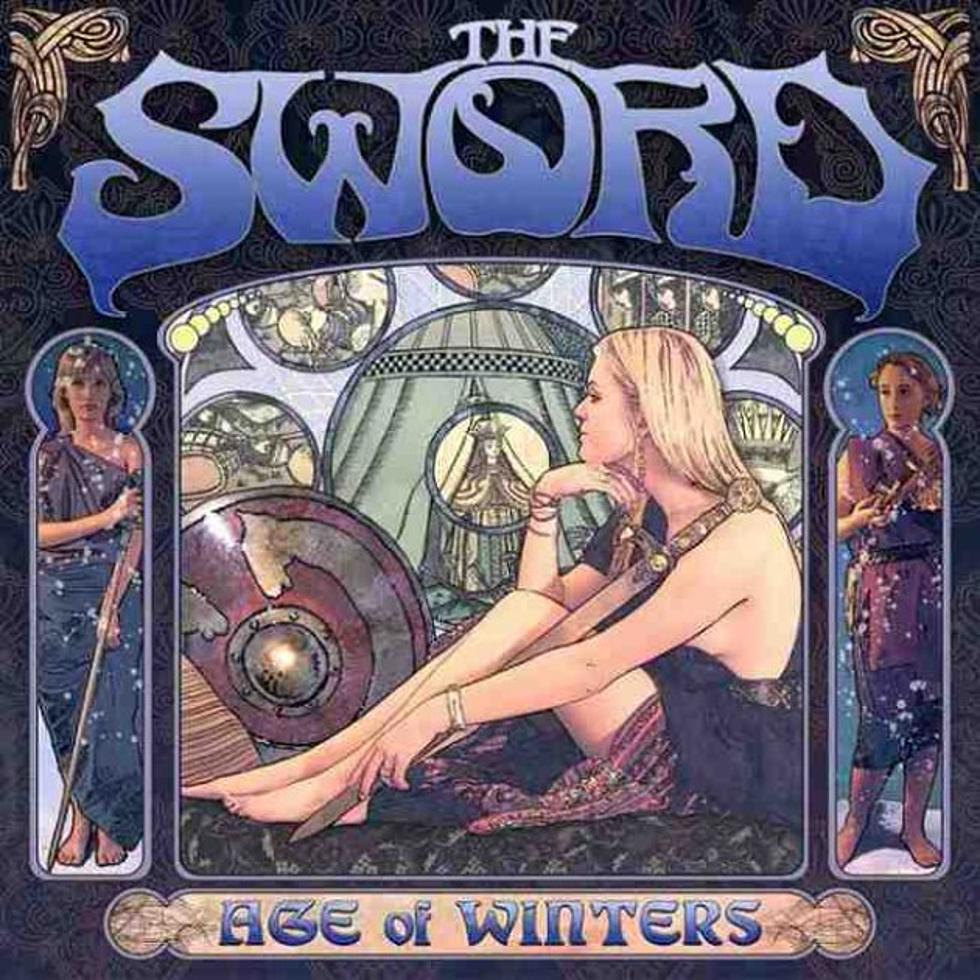
Test the Edge

  • Artist: The Sword
  • Title: Age of Winters
  • Released: 2006
  • Format: Vinyl
  • Genre: Rock/Metal
  • Beverage of Choice: Stone Tangerine Express Hazy IPA

You may recall me mentioning The Sword in a previous post extolling the excellent stoner vibes present on All Them Witch’s ‘Lightning at the Door’ album. I’d picked up this album on CD shortly after it was released (mostly due to the song “Freya” which was featured as a playable track on the video game Guitar Hero II – I was deep into GH at the time) and was already a big fan when I headed out to the incomparable Belly Up in Solana Beach to see them in concert; that’s where I was introduced to ATW (and another band whose music I enjoy, Kadaver). The Sword headlined that evening and did a credible job of blowing the roof off the bar. Focused, energetic and serious, The Sword channeled Sabbath doom with a Texas swagger.

This being their debut album, Age of Winters represents an aesthetic and sensibility that the band have since, if not totally abandoned, at least adapted and ‘modernized’. And good for them, they have a right to move on, although if you read some of the reviews of albums like High Country (2015) or Used Future (2018) you’d swear the band was making a personal attack on erstwhile fans. I love each and every one of their releases; as different as the new ones are, they have a high energy level and represent an artistic direction that will keep The Sword relevant and making music for many more years and that is something to be applauded and grateful for.

Back to Age of Winters then. Think Sabbath but dragged kicking and screaming into the 2000’s with up-tempo, down-tempo, sludge, doom and heavy metal vibes all present and accounted for but hammered out by a young, savvy and metal-educated foursome. The Sword aren’t trying to sound like anybody but themselves and succeed admirably in that ambition. Some of the music swings (like any good band from Austin should swing) but mostly it’s big bass and guitar riffs backed up by crashing kick and cymbals. Lyrics tend towards mythological themes; I’m not sure if any of these tunes were used on Game of Thrones (because I’ve never watched that particular soap opera) but I guess they should have been just because of lyrics like:

“Harken to the howl of the huntsman’s hounds

Or the clarion of kingdoms doomed and drowned

Lost to these lands is lore of the high ones

Sunless skies await the return of the archons”

Lament for the Aurochs

If you enjoy banging your head to huge riffs, discovering supremely tight and imaginative metal or simply want some music that engages your brain and heart on a different level than pop, look no further other than to check out the rest of The Sword’s discography.

Play loud and often!

Coming up Slowly

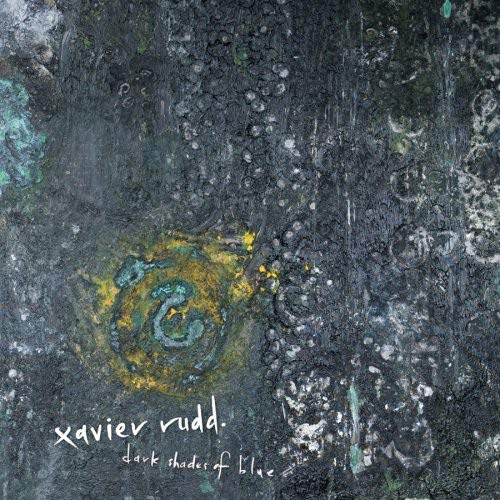
  • Artist: Xavier Rudd
  • Title: Dark Shades of Blue
  • Released: 2008
  • Format: CD
  • Genre: Rock/Reggae/Singer-Songwriter
  • Beverage of Choice: Milk (from a cow, not the juice of a nut)

From the first notes of the opening track you know you’re in for something ‘different’ with this album. A swirling mix of Weissenborn guitar feedback and then yirdaki (the aboriginal term for a didgeridoo), the sound is familiar for those in the know with Xavier Rudd but more concentrated, heavy and intense. The instrumental track “Black Water” emanates a darker vibe than Rudd’s typically optimistic, peace-and-nature loving compositions and segues without a break into the title track with more big guitar sounds and Rudd’s voice, as ever, emotional and distinctive in pitch and timber.

This is the kind of music I was waiting for Rudd to release after I was introduced to his brand of Australian surf/earth/socially aware and political music on 2005’s Food in the Belly. I heard blues notes all over that album and felt that he could step up the intensity and depth of his output with some heavier focus on drums and guitar; here is the evidence of that suspicion. Even the poppier tracks are darker and more layered with reverb, distortion and Rudd’s excellent slide work. And this is his ‘guitar’ album with acoustic, electric, slide and resonator all used more intentionally and provocatively across the tracks to anchor the music in rock/blues vibes. Rudd’s soloing is wonderful, sometimes channeling Hendrix in spontaneity and expression.

Secrets” is rhythmically a reggae tune but not reggae that you’ve heard before – sophisticated and nuanced, vocals sweeping in and out throughout the track with distortion and Dave Tolley’s drumming emphasizing the heavier aspects in the beat, giving free reign to the resonator guitar to assert it’s own voice, stamping the track with Zeppelinesque voicing and style. Another fine piece of slide guitar solo towards the end of the track – just try and avoid swaying and tapping to this one!

Guku” is more of the regular Xavier Rudd-type sound and structure with it’s aboriginal background vocals, yirdaki and rhythm; great use of the Weissenborn and effects/stompbox to create an aura of longing and nostalgia. “Edge of the Moon” is a blues-based effort extended, once again, to a reggae feel and something of a sing-along.

Lyrically, Rudd stays fairly narrowly focused on themes of nature, social consciousness, relationships to the earth and home. He is outspoken about his Australian natural heritage and is clearly in love with his country if not enamored with the politics and actions of the past. Generally optimistic and hopeful for a future where we are all one, united against hate and violence, Rudd is right on point for this generation and not heavy-handed with his message. Activism without the self-righteousness that so often accompanies it. “This World as We Know It” is an example with solid rock beat, didgeridoo rhythm section and driving guitar/distorted vocals delivering a 1-2 punch along with the political message -not pointing any fingers specifically but acknowledging that as things change, we need to step outside of ourselves and see if it’s change worth adopting.

Shiver” is a quieter track with clear vocals and acoustic guitar accompanied with swirling background vocals. The middle break echoes with tom-toms, organ and harmony and is a wonderful break from the general intensity of the album while being moving and emotionally resonant. “Uncle” starts quietly and beautifully with a chant and then extends into more Weissenborn distortion and high-tom swirling drum pattern, sounding like a U2/Tool mashup. Rudd’s vocals are restrained and distorted, evoking melancholy ; then the beat intensifies and sharpens to create a driving rock foundation for the rest of the track. Rudd displays some great arranging skills along with his instrumental prowess; my favorite (and longest) track on this album as it brings together all the stylistic elements that make Rudd a distinctive and accomplished musician.

Up in Flames” atypically jumps right into a heavy rock riff and sounds like a 70’s throwback, something that Sabbath/UFO/Aerosmith could lay claim to (except for the yirdaki break of course). It’s the most straightforward tune on the album but that also makes it good and satisfying for old metal-heads like me.

The final two tracks are more typically associated with Rudd’s output; “Hope that You’ll Stay” is another change in mood and pace opening with resonator guitar, eastern tuning, tabla and quiet vocals, simultaneously reflective and introspective. Wonderful guitar work from Rudd on this one; listen closely on good headphones for the full effect of all the various guitar parts coming together in harmony. “Home” is a folk song in pattern, vocals and instrumentation (even using strings towards the end) and a fitting conclusion to an album delivered outside the run-of-the-mill music industry and so well-imagined, written and executed. Listen to this one all the way through if you get the chance, the music will reward you in it’s authenticity, richness and soul.

Not Far From Joy

  • Artist: Black Dub
  • Title: Black Dub
  • Released: 2010
  • Format: CD
  • Genre: Rock/Soul/Dub-Reggae
  • Beverage of Choice: Cabernario No.8 – Maipo Valley

At this point, if you’ve read a few of my posts, you may already be sick and tired of hearing about my devotion to Daniel Lanois’ particular genius and production style. If that’s true for you, quit reading, take a break and go listen to some K-Pop because this is all about the ‘Lanois magic’ again. Actually, not so much. He did form this group as a vehicle for some of his compositions and to get out on the road with a real band instead of as solo artist but, in Trixie Whitley, he found an ingenue and force of nature that makes this debut and, so far, solitary Black Dub album come to life.

I had the great fortune and pleasure of seeing the group at Anaheim House of Blues on their tour in 2011 (for a $10 entrance fee!!) and spent the night right up front, entranced at the way Trixie, at 20-something performed like a veteran, her voice soaring over the band, effortlessly dominating the venue. Lanois was his usual laid-back, laconic self on keyboards, a little guitar, harmonizing here and there and generally enjoying himself but letting the band lead the way and clearly reveling in helping a new star come into her own.

The music is not actually completely typical of Lanois, although he wrote all the songs but two (“Last Time” and “Ring the Alarm“). A mixed bag of reggae beats (“I Believe in You“), straight up rock with Lanois trademark production values (“Love Lives“), soulful ballads (“Surely“) and trip-hop/jazz (“Slow Baby“), the album can take a while to adjust to; hang in there because it’s really worthwhile. It took me a few spins to fall deeply in love with the sheer creativity and musicianship ,enjoying the satisfaction of deciphering someone else’s headspace and making it my own.

Back to Trixie; listening to her rich contralto vocals on showpiece songs “I Believe in You” and “Surely” will give you an inkling of just how powerful her delivery is in a live setting. Check out her discography if you get a chance, very different music to Black Dub but nonetheless interesting and diverse, sometimes sounding like Neneh Cherry, sometimes like PJ Harvey and most often just like her ownself (which is a good thing).

The instrumental tracks (“Slow Baby” and “Sirens“) are very typically Lanois’ style, the major difference between these recordings and his own being the excellent musicians with him – Daryl Johnson on bass and jazz session extraordinaire Brian Blade on drums. The interplay is subtle and extremely nuanced, delivering a balanced, involving and immersive musical experience. Listen to these tracks a couple of times, they are NOT filler!

The song the band wrote together, “Sing” is just sheer frivolity and a wonderful live sing-along opportunity. I remember it well from the show and how much fun the band was having together, supporting each other, goofing around and at the same time making every aspiring musician in the crowd jealous at how easy it seemed for them to make a joyful noise. As I’ve stated, you may need to hear this album a few times to truly appreciate the craftsmanship , energy and professionalism that makes it sound so easy to create something new and different. Maybe start with the song “Canaan“, the only Lanois-led vocal track , it’ll sound familiar and you probably won’t quite be able to put your finger on why. That’s his genius – you’ll be pulled in, surrounded and welcomed; relax and enjoy!

American Dreams

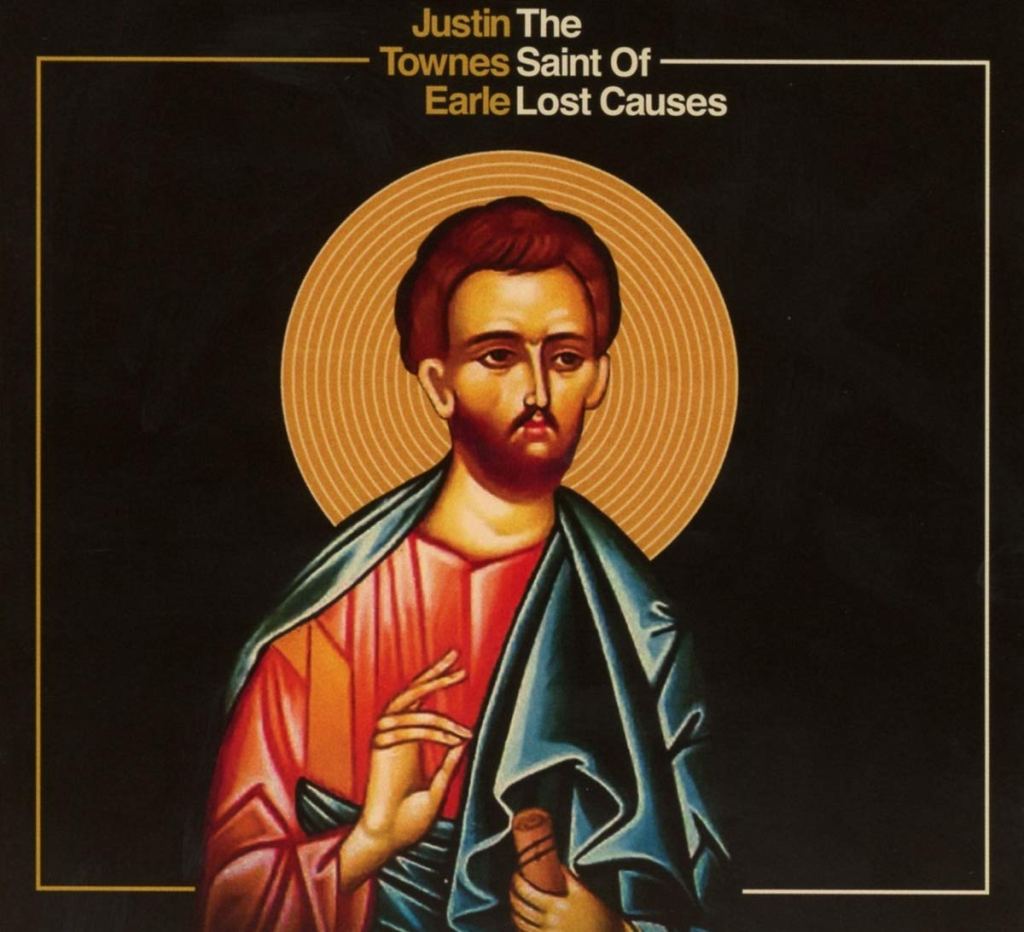
  • Artist: Justin Townes Earl
  • Title: The Saint of Lost Causes
  • Released: 2019
  • Format: Digital Download
  • Genre: Americana
  • Beverage of Choice: Stone Buenaveza Salt & Lime Lager

I’ve always felt it must be really difficult for the sons of exceptionally talented (or simply very famous) Dads to carve out their own path in life in the same area for which the father is well known. There are some kids in the music arena though that make it look really easy; witness Chris Stills, Jakob Dylan, Jeff Buckley, Sean Lennon, Jason Bonham and this standout artist, Justin Townes Earl.

This album is the latest in Earle’s short but sweet catalog of hybrid folk, blues and country records that delivers a particularly bitter-sweet punch in this time in US history. His father, Steve Earle, is of course almost as famous for his left-leaning political views as his prodigious American songwriting skills and Justin does follow along in that path, albeit with his own style, tone and dynamic. The music is almost laconic in pace and ambiance, with some of the vocals sounding as if he’s singing to himself, musing/riffing on a theme and we are listening from outside, trying to keep up with where he’s going. At other times, the story is personal and intimate, up close and crystal clear in meaning and melody.

I’ve been spinning this one for a few months now, probably having listened to it on aggregate about a dozen times and I find myself coming back to it again with a sense of discovery and delight, seeking to decipher the layers of dense storytelling and musicianship and claim them as part of my library; connecting the dots to society, musical heritage and other artists/songs that I know and love. The album doesn’t disappoint in any respect and I feel it’s going to become a favorite over time; I’ve already ordered the double album vinyl version and can’t wait to experience the music in the best format of all! I know this may be heretical for many of you born and raised in the digital age, but analog rules.

I leave it up to you to listen through the tracks and extract what you can, my advice is to make sure you carve out the time to listen to the album as a whole, focus on the dynamic between lyric and instrument, listen for delightful elements of piano, harmonica, pedal steel, acoustic guitar and Earle’s tenor vocals well-suited to the range and tone of his carefully-crafted stories. This is truly American music at it’s best; timeless yet timely, cross-cultural especially in his dissection of family relationships, work and dreams for the future. A sense of place and belonging is what we’re all looking for and The Saint of Lost Causes takes us there on the back of it’s shuffle, blues, country and folk-rock pickup truck headed West.

Postscript 8/23/20: we just learned of the untimely passing of JTE at the ridiculously under ripe age of 38. He made the world a better place with his music and will be sorely missed, at least by this fan – I just got an autographed vinyl copy of Lost Causes and it’s sad to think that this could be one of the last records he signed. I’ll treasure it and pass it down to the next generation, remembering to tell the story of how, for a short time, Justin Townes Earle shone brightly and shared his rich talent with us. I am grateful we have his recorded music as a legacy and he will not be forgotten.

Everything is Broken

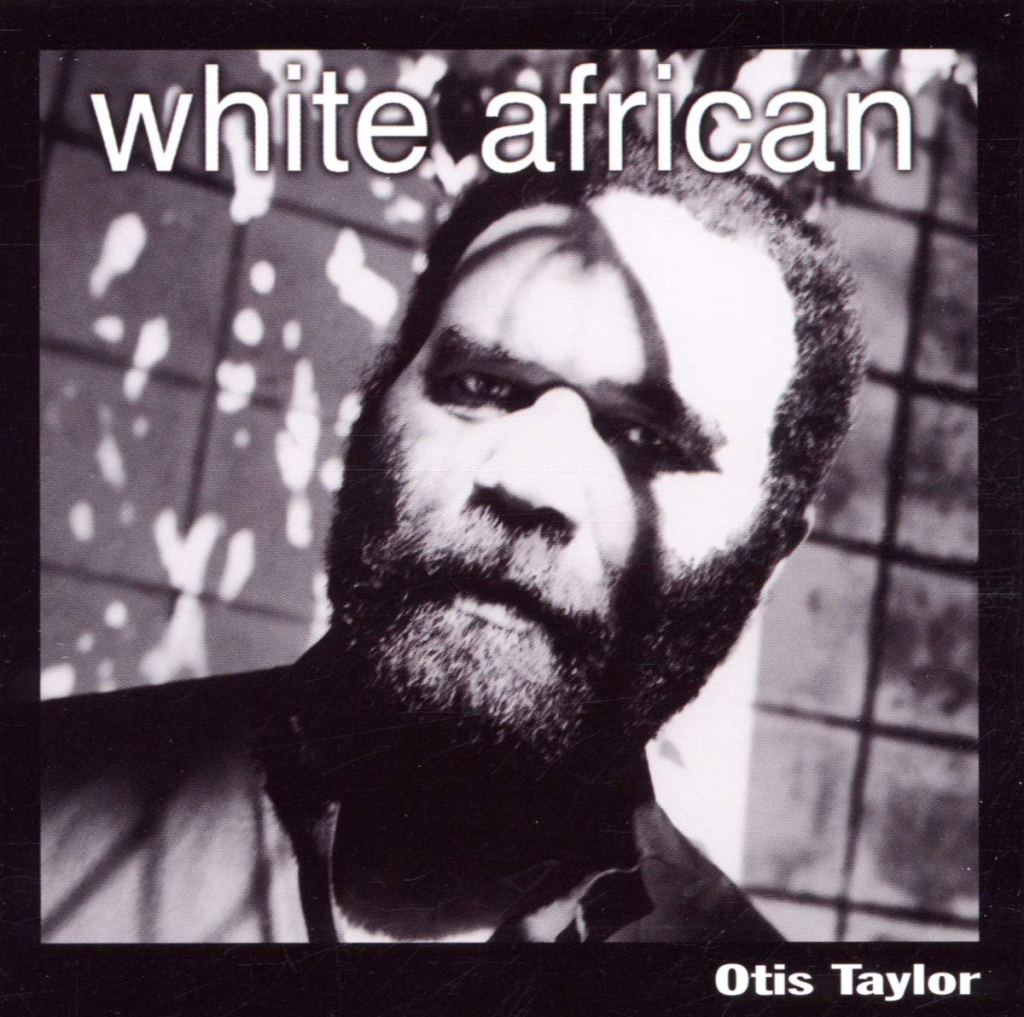
  • Artist: Otis Taylor
  • Title: White African
  • Released: 2001
  • Format: CD
  • Genre: Blues
  • Beverage of Choice: Mango Margarita

Speaking directly to the issues of the past, Otis Taylor‘s music seems to be endlessly and despairingly relevant to our present. I was first made aware of his distinctive and dark blues brilliance through this album that remains on high rotation in my library due to it’s tone, authenticity and compelling directness.

White African describes in dark and vivid detail the reality of being poor and on the fringes in America. Without specifically calling out racial issues (except in the album title) the music and lyrics deliver a message with a much higher emotional and intellectual impact than someone yelling on TV. Taylor speaks for the dead, the generations past and present, and does so without pointing fingers or histrionics.

OK, I guess you’re going to listen to “3 Days and 3 Nights” and challenge me on the last statement; we can possibly at least agree that the track is highly effective in conveying a sense of helplessness and underlying fury. Every time I hear the song it’s heart-wrenching and sometimes, I must admit, I skip it if I’m feeling a little wrung out or frazzled by events of the day. Listen to this tone poem at least once and admire the performance and artistry of the man; after that, if it doesn’t work for you, I understand. Having just listened to it again for this review, my emotions are a little raw so please forgive any lack of professional distance in this post.

The music on this album is understated and mostly takes a back seat to the vocals and stories that Taylor tells but listen to the wonderful harmonica on “Round and Round“, eloquent acoustic and electric guitars on “Stick on You” and “Rain So Hard“, banjo on “Lost My Horse” and ethereal keys on “Saint Martha Blues” and you’ll quickly understand that the man is a musician of the highest order with a creative drive and focus that makes him stand out in the somewhat cluttered blues scene. With John Lee Hooker as a major influence, you can expect nothing but excellence across Taylor’s entire discography.

Also check out his most recent release , 2017’s Fantasizing About Being Black for an up-to-date take on race relations in America. Nothing speaks to the heart on any issue better than music, so I’m keeping this post short (and hopefully sweet) to free up more of your time to dig into Otis Taylor’s specific brand of genius.

Hitch Your Wagon

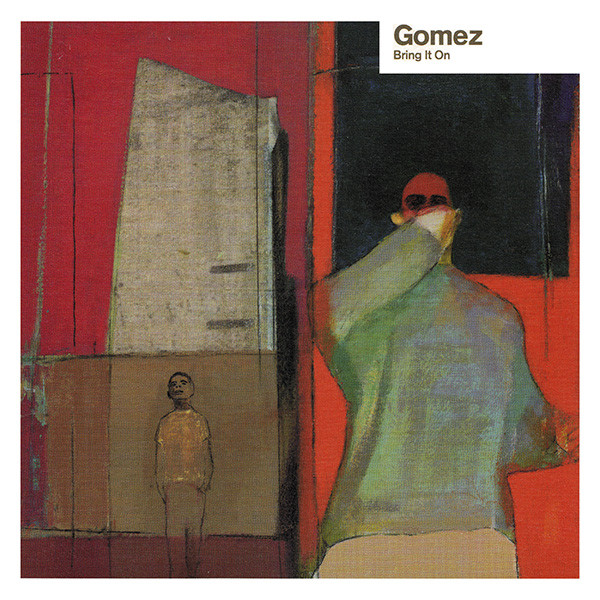
  • Artist: Gomez
  • Title: Bring It On
  • Released: 1998
  • Format: CD
  • Genre: Alternative/Roots-Rock
  • Beverage of Choice: Stone Tangerine Express Hazy IPA

Not to be confused with Selena Gomez, this is the bluesy roots-rock band from the UK that made my hair stand on end with the opening computer/tabla/guitar bars mix on the first track from their debut album under review here. Let’s call it a great first impression that was confirmed and cemented in place over time. My good friend and fellow music geek G.F. played me the opener “Get Miles” on a visit to England in 1998 and I was hooked; I’ve acquired all of Gomez’ music since then and remain as astonished by their virtuosity and range as at that first encounter.

Undeservedly relatively obscure in the USA, Gomez remain popular in their native country and deliver a great live show. This album actually beat out Massive Attack’s Mezzanine (previously reviewed) and The Verve’s Urban Hymns for the Mercury Music Prize in it’s release year, yet didn’t even chart in America. They have since (from around the mid-2000’s after Split the Difference was released) grown a fan-base here but I am yet to chat with any local acquaintance familiar with their music. Hopefully, this post will go a small way towards changing that sad state of affairs!

Kicking off “Get Miles“you get a slow burn from the instruments and then Ben Ottewall’s strange and yet familiar voice cuts into the head space with a bluesy timber and delivery. One of the band’s great strengths is having three accomplished vocalists on hand but Ottewall sounds like he grew up in a bourbon-and-smoke-pit-infused Southern state and, once you’ve heard him sing, you won’t mistake him for anyone else. The song grooves along and ups the intensity mid-track with harmonies, additional fuzz guitar riffs and tuba (tuba!) – I mentioned that this band was diverse right?

Jumping right into “Whippin’ Piccadilly” a simple acoustic riff sounds like an outtake from an Oasis session and then the band asserts themselves with percussion and synthesizer elements that are one of their signature sounds. The track has a loose feeling and 60’s vibe that’s in line with the hippy-ish sentiment in the lyrics.

Make No Sound” highlights Ottewall’s excellent voice again showing off range, depth and emotion. Very simple in construct it has a beautiful chorus with acoustic guitar and strings backing the soaring vocals. Great harmonies on the later choruses and cello add to the depth and add dimensional range to the tune. One of my favorites.

For a change in direction, I present “78 Stone Wobble” with a blues-influenced riff, psychedelic backing, vocal effects and obscure lyrics. With all the vocalists taking a turn on the mike the song is incredibly open and lush and yet intense and focused at the same time; weird Spanish sampled monologue, horns and the kitchen sink thrown in for good measure.

Tijuana Lady” provides a solid minute or so of sampled, scratchy Spanish-timbered guitar and computer-generated percussive sounds jumping from ear to ear in the headphones and then abruptly into a clear, open and precise acoustic guitar and beautifully psychedelic/spacey vocals. The chorus is double-tracked left and right on the stereo mix opening the song up even wider. This is a great example of the band’s creativity, skill and ability to mix up genres and sounds all in one song – strange but compelling and achingly beautiful in expression and execution.

We’re just halfway through the album and already been rendered ecstatic by the musicality, expertise, expressionism and focus of this great band. The rest is just more of the same consistently high-value blend of laid-back yet intense, loose yet structured and genre-confused versatility. Stick with it through to the final track and you’ll have experienced and hour or so of a wonderfully conceptualized and executed modern musical miracle – an album that, with no fanfare at all, upped the ante for all serious musicians that followed.

If you like late 60’s Beatles, The Who, The Doors or any psychedelic blues at all listen to “Rie’s Wagon” and I’m pretty sure you’ll become an instant Gomez fan. Also pay attention to Olly Peacock’s drumming as he is a multi-talented genius, programming the computers and synths in addition to all things percussion. And then check out the rest of their discography (‘How We Operate’ is a great example of how the band’s songwriting matured, focused and got even stronger over time) for good measure. You can thank me later.

Drink it All Down

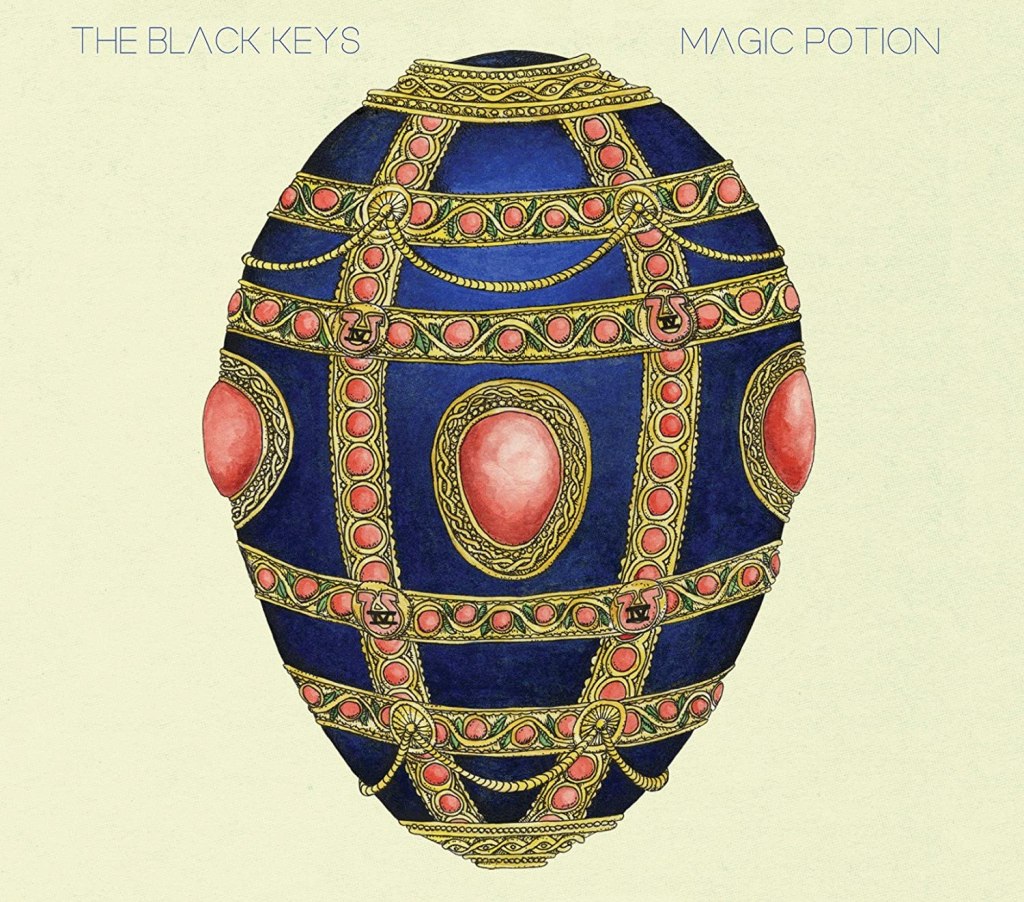
  • Artist: The Black Keys
  • Title: Magic Potion
  • Released: 2006
  • Format: CD/Digital Download
  • Genre: Blues-Rock
  • Beverage of Choice: Irish Breakfast Tea

Listening to the stripped-down, raw and sometimes blistering riffs Dan Auerbach and Pat Carney produced from a just-better-than-home basement studio in Akron, Ohio, you’d be forgiven for assuming that they had a lot of help from the record company to get the sound so distinctly, well, perfect. The acoustics on this album are great simply because it is so raw and under-produced. The previous three albums are some of my favorite collections of low-fi blues-based rock music but Magic Potion stands out because, although The Black Keys recorded and mixed on what they considered to be ‘crappy’ equipment, all the nuance, dynamics and immediacy that make music exciting can be found on this offering.

It’s also the first album they created that are all original compositions (heavily borrowing from the classic blues greats, of course, with Junior Kimbrough and R.L. Burnside chief among them) and the track listing just rolls along with effortless heaviness, syncopation and melody. Aurbach’s scorching guitar sound resolves neatly on every track while Carney’s drumming is simple, powerful and dynamic. I’ve seen The Black Keys in concert a handful of times, each time at a progressively larger venue and it was amazing the first time to see them in downtown LA in a club with an audience of around 500 in attendance; I was on the rail right in the center, could have reached out and touched them. Play Magic Potion loud on pretty much any system and you’ll get a sense of what seeing them in concert in the early 2000’s was like. The band themselves have gotten progressively ‘larger’, adding keyboards, multi-layers, tracked vocals etc. to their studio albums and have enjoyed great popularity since the release of their sixth album, Brothers.

Still, for me, Magic Potion hits the sweet spot between simply putting out good music and being a huge stadium band – it’s low-fi but not muddy, directly accessible but not unsophisticated and rocks hard on every track. The band are tight but leave space for the music to speak to the heart and mind; see if you can resist drumming along or nodding your head on “Your Touch“, “Modern Times” or “Give Your Heart Away“.

The album kicks off with a great big Zeppelinesque riff on “Just Got to Be” and your ears are dropped in the raging blues fire that marks this as arguably The B.K.’s finest hour (actually only around 43 minutes, it’s a shortish album). “Your Touch” kicks hard and was a best-selling single for them and showed up in the movie Zombieland. “You’re the One” slows down the pace, if not the intensity, and highlights Auerbach’s deft touch on guitar; not every song has to singe your eyebrows!

Just a Little Heat” attempts to do just that, with another Led Zep groove and guitar sound, over-driven to the point of torture, howling and shredding nerves and ears. The verse settles down and then the guitar kicks back up to underscore the changing dynamics as well as the paranoid lyrics. The short slide solo is satisfying as a counterpoint to the riff – just a great blues-driven rock song.

Give Your Heart Away“digs a groove into the vinyl a mile deep with Carney exploring more of his kit and laying down percussive landmines for Auerbach to explode. The riff is straightforward and powerful; again the duo leave so much space in the tempo the listening body can’t help but be drawn into he rhythm and start rocking out. “Strange Desire” is a slow burner with the distorted guitar and Dan’s voice in call and response worthy of inclusion on any ‘best of the blues’ collections; this track is more nuanced than the rest of the album and therefore possibly the most satisfying from a purely musical point of view.

“Modern Times” goes back to “massive riff” mode with Carney pounding the living daylights out of the kick and snare. The interplay between drums and guitar is superb on this track and the special ‘simpatico’ bond between the two musician’s is evident in spades. A quick reference to Zeppelin’s Custard Pie, which, in turn, references Shake Em on Down by Bukka White only accentuates the band’s legitimate grounding in the blues.

The Flame” is another smoldering down-tempo track that emphasizes Auerbach’s ability to show restraint as well as rip-your-head-off power. “Goodbye Babylon” is another nuanced track with unusually political lyrics and a deceptively easy-listening mid-temp chorus that belies the intensity and sheer musicality of the song. Listen to this one a couple of times and you will start understanding how the duo jell together in a way that is inexplicable and special.

Black Door” is another solid riff machine with Dan’s voice in a higher register in parts that are a foreshadowing of some of the later music on albums like Attack and Release and Brothers. The album closes with “Elevator” in pretty much the way it kicked off with guitar feedback and then a solid kick ‘n’ snare/blues riff with the band having as much fun as they possibly can in four minutes of basement-produced fuzz-box distortion.

Lo-fi never sounded so hi-fi as on this great album that is timeless in it’s creative prowess, musical sensibility, performance artistry and intensity of delivery. I’m going to see The Black Keys in concert again one day but maybe I’ll wait until they start playing small clubs again so that I can wax nostalgic over the days before they found huge fame and fortune and stuck to the basics of producing down ‘n’ dirty, satisfying and exciting rock albums.

A Trip to the Human Zoo

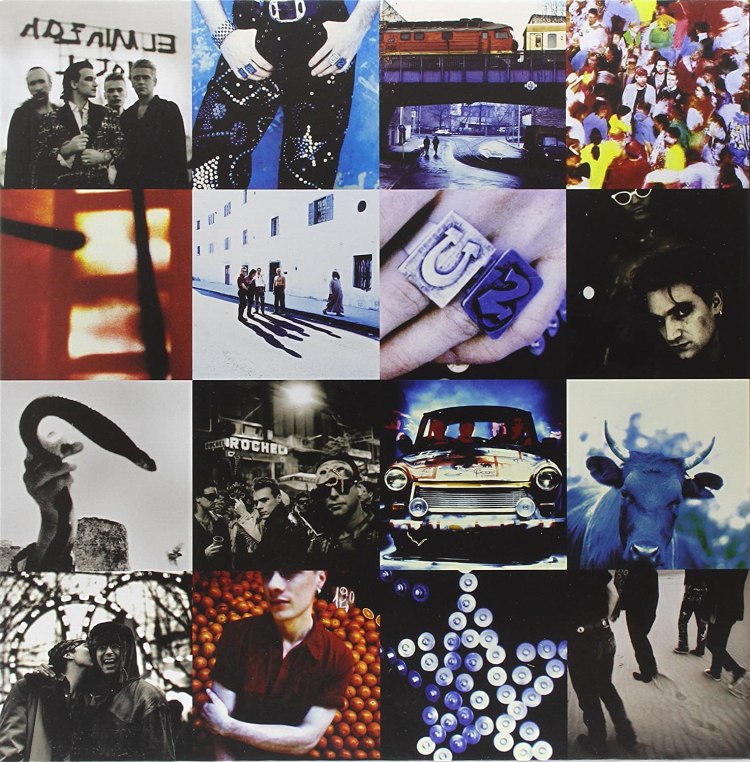
  • Artist: U2
  • Title: Achtung Baby
  • Released: 1991
  • Format: 180g Vinyl Remaster/CD
  • Genre: Pop/Rock
  • Beverage of Choice: Canada Dry Ginger Ale

U2‘s particular brand of pop/post-punk rock/blues rock/garage rock only impressed itself on my consciousness in late 1983 after the release of their third album, War. I’d been drafted into the South African military to begin my two years of mandatory ‘national service’ and, of course, taken a small library of metal and heavy rock cassette tapes with me in an attempt to hold onto my individuality and prove to the powers that be that they could rob me of my personal freedoms but would never capture my mind or soul. Hey, what can I tell you except that I was young and foolish and they, inevitably, ground me down to a point where I could be rebuilt with a vestige of self-respect, discipline and purpose (albeit their purpose, not mine).

During my time in boot-camp I was exposed to a variety of human life that I hadn’t known existed up to that point; naive farm boys, world-wise inner-city hoodlums, arrogant rich kids and everything in between (I was a nice suburban middle-class cliche) all of whom, I soon realized, had some traits that were admirable and to be emulated as well as rough edges that were nasty and to be avoided. All of us were white males between the ages of 17 and 24 with a mix of certainty and ignorance that comes with the demographic.

Grounded in 70’s hard rock, proven by 80’s metal and certainly exposed to punk, an Irish pop/folk band was just miles off my radar – until one my platoon buddies turned up “Sunday Bloody Sunday” on his portable cassette deck and a I realized I had been missing out on a more melodic and emotional version of the music I already loved. I was instantly hooked and managed to get the first three albums delivered to me by my long-suffering parents when they got a chance to visit their baby boy after 10 weeks of army indoctrination. Since then, I’ve purchased every U2 album on CD, vinyl or download (and sometimes all three, witness this album) as soon as they were made available and, to make a long story shorter, I regard Achtung Baby as the pinnacle of their amazing career.

Now, if you’re a huge fan and disagree with me ( some of my friends I still speak to think U2 sold out when they met Daniel Lanois and that War is the last ‘real’ U2 album), that’s OK. Just hear me out and then, if you’re still deluded we can agree… that you’re still deluded. Lanois’ production magic on The Unforgettable Fire and The Joshua Tree turned U2 into an international phenomenon and also made them immensely rich; I’m not saying they wouldn’t have been successful without him, I’m just observing that the sound we’ve come to associate with U2 (the booming echoey drum patterns, spacious guitar and ambient keys) were only there in embryonic form on Boy, October and War and, without Lanois (with a shout-out to Brian Eno for the more ambient elements), they would have been lost in the New Wave of music that was washing up on shores all around the world.

To me, Unforgettable and Joshua were warm-ups for Achtung, where the band became everything they could be and laid down an album that will, in my opinion, come to be regarded as the moment U2 stopped trying to be ‘important’ and ‘relevant’ and simply rocked. The previous album Rattle and Hum (which I regard as in their top 3, with either of the aforementioned Lanois-era albums in the lineup) showed movement towards this goal with songs like “Desire“, ” When Love Comes to Town“,” God Part II” and the live version of “Bullet the Blue Sky” being stand-out moments.

Finally we turn to the music on Achtung Baby and get drop-kicked into the distorted vocals, huge bass-line and tightened snare drum that, along with swirling ambient keyboards and the Edge’s inimitable/idiosyncratic/obsessive-compulsive guitar playing make up the elements of this offering. The addition of Steve Lilywhite to the production team also tightened things up a bit and gave the band more room for harder edges and sound on some tracks. With Lanois and Eno playing on various songs, the sound is also expanded and sophisticated beyond that which the four-piece band could muster on their own.

Zoo Station” eases us into the playlist with lots of overdubbed vocal layers and that huge drum sound dominating the song. Then into the sing-along delight of “Even Better Than the Real Thing” with massive hooks and now- familiar riffs making it one of the five or six songs on the album that dominated radio top-forty lists at the time.

One” has, in all fairness, been overplayed to the point of contempt on classic rock channels. But, for a reason – it’s simply one of the most affecting/effective pop songs ever written. The beautiful swell of strings mid-song always send chills up my spine (Brian Eno to blame) and Bono’s somewhat ragged vocal delivery is convincing in it’s authentic yearning for reconciliation and transparency. Go ahead and listen to it again; focus on the way the elements of the song blend together in complete harmony, with the chord progression evoking melancholy but also hope for a better tomorrow. Super-simple but orchestrated , produced and performed in a way that vaults it into a class all of its own.

Thematically, the album deals with love and loss, U2 all grown up and having the hearts broken by the world, realizing that all their ideals and dreams were just that and the ‘real world’ can be a cold and lonely place. “In my dream, I was drowning my sorrows But my sorrows they learned to swim” – Until the End of the World.

Who’s Gonna Ride Your Wild Horses” dives deeper into the pool of relationships, hurt and unmet desires. “So Cruel” has the most amazing live drum sound and, cranking it up on my main stereo system, makes the whole room shake with kick and tight, tight snare. The track is piano-driven with a string arrangement that is also top-notch (more Eno with the Edge ably assisting) and Daniel Lanois’ unmistakable jagged/wavy bass/guitar production evens out the sweetness. Bono delivers a typically impassioned performance and his voice soars, effortlessly falsetto when he needs it to be, and fills the track with emotion – desperation and pain mingled with hopelessly love-struck yearning.

The Fly” rocks out from the start (you probably remember Bono wearing the dark glasses on videos for the track and on tour promoting the album). Great big guitar sound and solo in the middle highlights the Edge’s chops and makes one realize how much he contributes to the unique U2 sound; they’d be a totally different band without him. I believe they are one of those bands that will just stop if one of the members wants out or becomes unavailable in some other way. They are all irreplaceable to the totality of the sound and organism that is U2.

Mysterious Ways” is another track played to death on rock radio but is nonetheless worth listening to again if only to sing along! “Tryin’ to Throw Your Arms Around the World” is more laid-back and abstract than the rest of the tracks but has great interlude with Bono lifting his voice into that high register where he demonstrates that he can, in fact, sing with the greats. “Ultra Violet(Light My Way)” is probably the most straightforwardly U2 song on the album with familiar the Edge jangle and chord progression.

Acrobat” has a Lanois trademark sound and pattern with ebb and swell of guitar with a sentiment surely echoed, or at least favored by Lou Reed (“don’t let the bastards grind you down”). The album ends on a dramatic flourish with “Love is Blindness“; pipe organ sound into big echoing bass line, piano and Bono’s vocals with a lot of reverb (possibly affecting a church-like setting) . The lyrics are bitter-sweet and emotional and, as usual, expertly performed but the stand-out element is the guitar solo- it’s the epitome of restraint and expression; no theatrics or showing off, just a thoughtful and beautiful example of the art of making music that makes us feel.

Let me know if you agree/disagree with my take on this album in the comments section; maybe it is I that is deluded and seduced by the artistry, passion and culmination of experience that went into the creation of Achtung Baby!